

Key takeaways
- The simplest way to organize important documents at home is to sort them into a few fixed categories.
The simplest way to organize important documents at home is to sort them into a few fixed categories, keep originals you rarely need in a fire-resistant, locked container, and keep a scanned backup somewhere else. Everything else lives in a labeled file box you can find in under a minute.
This guide is for anyone who has a drawer of mixed paperwork and no clear idea what to keep, what to shred and what must be protected. It covers the sorting system, the storage options and the habits that stop the pile from growing back in 2026. It stays general on retention periods, because rules differ by country and document type.
Why Most Home Filing Systems Fail
People rarely fail because they lack a cabinet. They fail because the system asks for too much effort. Folders with fifty tiny categories, labels nobody can remember and a filing routine that happens once a year all lead to the same result: a stack on the kitchen counter. A good system has few categories, an obvious home for each item and a fast way to add new paper. If filing takes more than a minute, it will not happen.
The other common failure is mixing protection levels. A birth certificate and a grocery receipt do not deserve the same treatment. Separating items by how hard they are to replace tells you where each one should live and how much effort to spend on it.
Step One: Sort Into Four Groups
Start with a flat surface and a trash bag, then place every item in one of four piles. Be quick; the first pass does not need to be perfect.
- Permanent: birth certificates, passports, marriage records, property deeds, wills.
- Long-term: insurance policies, tax returns, loan papers, vehicle titles.
- Short-term: recent bills, pay stubs, receipts for warranty items.
- Discard: expired paperwork, junk mail, outdated statements, after shredding anything with personal details.
Choose the Right Storage for Each Group
Permanent documents
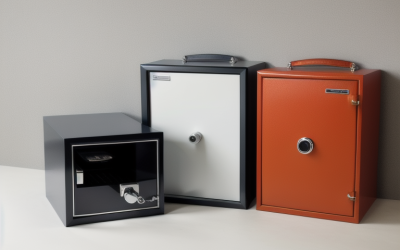
These are hard or impossible to replace, so they deserve the strongest protection. A fire-resistant container with a lock, or a safe deposit box, is the usual choice. Keep them flat or in protective sleeves, away from moisture. Avoid laminating originals unless an official source says it is acceptable, because laminating can make some documents invalid.
Long-term records
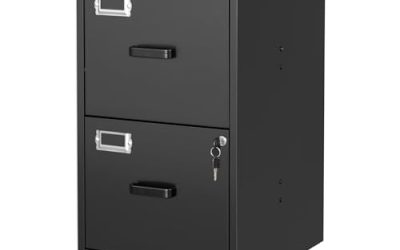
A lockable file box or cabinet works. Use hanging folders by category and label the front with plain words, such as Insurance, Taxes and Vehicles. Add the year only where it matters. Keep one folder per topic rather than one per document, so the cabinet stays easy to scan.
Short-term paperwork
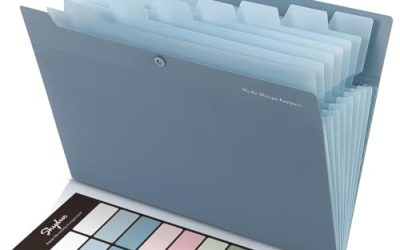
A desktop inbox or accordion file is enough. Set a monthly reminder to empty it, filing the few items that matter and discarding the rest. Keep receipts for big purchases and warranties together so you can find them when a product fails.
Digital copies
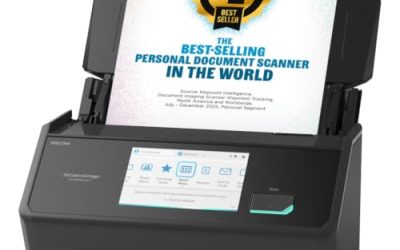
Scan every permanent and long-term document, then store the files in an encrypted folder and a second location such as an external drive kept elsewhere. Name files with a consistent pattern so they are easy to search, for example the document type, the person and the year. A phone scanning app is fine for most papers, as long as the image is sharp and complete.
Compare Storage Options
| Option | Best for | Main limitation |
|---|---|---|
| Fire-resistant document box | Passports, certificates, deeds | Limited space; confirm what the rating covers |
| Home safe | Originals plus valuables | Higher cost and weight |
| Lockable filing cabinet | Tax and insurance records | Offers only basic fire and theft protection |
| Accordion or desktop file | Current bills and receipts | No protection; keep non-sensitive items only |
| Encrypted digital backup | Copies of everything important | Needs password management and a second copy |
| Safe deposit box | Rarely needed originals | Access limited to bank hours |
Build Habits That Keep It Organized
File once a week
Set aside ten minutes each week to file new paperwork. A tiny habit prevents the pile from rebuilding. Open mail near the shredder and recycling so junk never reaches the table, and put everything else in one inbox tray until filing time.
Review once a year
Choose a date, such as tax season, to purge items that have outlived their usefulness. Retention periods differ by document and by region, so confirm with an accountant or official guidance before discarding tax or legal records. Use the review to update your digital copies and to check that expired documents, such as old passports, are handled properly.
Tell someone where things are
Make sure a trusted person knows where the permanent box and digital backup are, and how to access them in an emergency. A short index sheet inside the box helps. For sensitive items, consider speaking with a lawyer or financial professional about how to share access.
Protect Against Fire, Water and Theft
Paper is vulnerable to three common household problems. For fire, choose a container with a stated fire rating and keep it away from the kitchen and the heating system. For water, store papers off the floor, use sealed sleeves, and avoid basements prone to flooding. For theft, keep identity documents locked, shred anything with account numbers, and do not leave a pile of unopened bills where visitors can see it.
A Sample Folder Layout
If you want a starting point, try one drawer or box with six hanging folders: Identity, Home, Vehicles, Insurance, Taxes and Medical. Inside each, keep the newest paper at the front. Identity holds copies, while originals stay in the protected container. Home covers the deed or lease, mortgage and warranty papers. Medical holds vaccination records, major bills and insurance explanations, which you may need to prove later. Adjust the names to fit your life, but resist the urge to add more than eight folders, because every extra category makes filing slower.
What to Do With Digital-Only Documents
Many bills, statements and receipts now arrive by email. Create a matching folder structure on your computer or cloud account so digital files follow the same categories as paper ones. Download important statements before an account is closed, since access to old records can disappear. Back up the whole set on a regular schedule, and keep passwords in a reputable password manager rather than on a sticky note.
Handling Special Situations
Some households need extra care. If you share a home, decide which documents are personal and which belong to everyone, and give each person a folder. If you run a small business from home, keep business records in their own box so they do not mix with household papers. If you move often, keep a go-folder with identity copies, lease papers and contact numbers that you can carry quickly. And if you care for an older relative, ask them where key papers are now, because finding a will or insurance policy in a crisis is much harder than writing the location down today.
Before You Start
- Gather supplies: folders, labels, a shredder and a scanner or phone app.
- Choose a single home base for paperwork.
- Decide who needs access.
- Pick a secure place for the permanent box.
- Set a calendar reminder for the annual review.
Once the system is in place, test it: ask a family member to find your latest insurance policy using only your labels. If they find it quickly, the system works. If not, simplify the names until anyone can follow them.
Related guides
- Wired Vs Wireless Security Cameras Which Should You Buy
- How To Install A Smart Lock On An Existing Deadbolt
- Smart Locks For Airbnb And Short Term Rentals
Frequently Asked Questions
Should I keep paper if I have scans?
For permanent documents, yes. Many agencies require originals, so scans are backup rather than replacement.
How long should I keep tax records?
It depends on your country and situation. Check official guidance or ask a tax professional before shredding.
Is cloud storage safe for sensitive scans?
It can be if you use a strong password, two-step sign-in and encryption. Keep an offline copy too.
What is the best place for the document box?
An interior closet or a low, dry spot is better than a basement prone to moisture or an attic that gets hot.
More from Amazon
Programs that pair well with the guide above. Offers and eligibility are set by Amazon and may change.
Free shipping on eligible items, Prime Video and more. Eligible new members can start with a free trial.
Start a Prime free trialAudiobooks and podcasts to listen to on the go. Eligible new members can start with a free trial.
Try Audible freeAd-free music streaming. Eligible new subscribers can start with a free trial.
Try Music Unlimited freeA free business account with business pricing and bulk-buying tools for work, shop or home office.
Create a business accountAs an Amazon Associate we earn from qualifying purchases.




Write Your Review
No reviews yet. Be the first to share your experience!