

Key takeaways
- Mounting the camera facing east or west, which causes false triggers from sunrise and sunset.
- Leaving vegetation in front of the sensor.
- Using cheap batteries that fail in cold weather.
- Ignoring local privacy and signage rules when monitoring property.
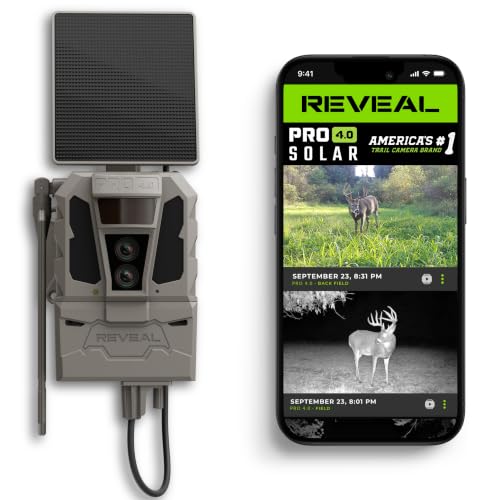
The best trail camera for most people in 2026 is a cellular model such as the Tactacam Reveal Pro 4.0 or the SpyPoint Flex-M2, because it sends photos to your phone and saves repeat trips. For a camera that never needs a data plan, the Browning Recon Force Elite HP5 is a strong SD-card option, and the Reconyx HyperFire 2 is the premium buy-it-once choice. Trail cameras also work for property monitoring, but check local privacy rules before you aim one at anything beyond your own land.
Our top picks



As an Amazon Associate we earn from qualifying purchases at no extra cost to you.
Quick Comparison of the Best Trail Cameras
| Pick | Best for | Type | Standout | Price range |
|---|---|---|---|---|
| Tactacam Reveal Pro 4.0 | Best cellular overall | Cellular | Toggleable no-glow flash, long detection range | Mid |
| SpyPoint Flex-M2 | Best value cellular | Cellular | Low cost, plan tiers include a free option | Budget |
| SpyPoint Flex G-36 | Value with free photo tier | Cellular | Free 100-photo monthly tier | Budget to mid |
| Moultrie Edge 4 Solar | Fewer battery trips | Cellular, solar | Solar panel extends battery life | Mid to upper mid |
| Browning Defender Pro Scout MAX HD DV | Image quality and trigger speed | Cellular | HD video, fast trigger | Upper mid |
| Browning Recon Force Elite HP5 | Best SD-card (no cellular) | SD card | No data plan required | Mid |
| Reconyx HyperFire 2 | Premium, long life | SD or cellular option | 5-year warranty, fast trigger | Premium |
Details come from manufacturer spec sheets and 2026 roundups, including Field and Stream and TrailCamLab. Verify the current model before buying.
Best Cellular Overall: Tactacam Reveal Pro 4.0
TrailCamLab names it the best cellular camera, and Field and Stream picks it for maximum detection range. It has a toggleable no-glow flash, so you can choose between image clarity and stealth. Main trade-off: it needs a data plan after the first tier.
Best Value: SpyPoint Flex-M2
Field and Stream calls it the best value cellular camera. SpyPoint plans include a free tier of around 100 photos a month, which is enough for a single camera at a light-use location. Main trade-off: fewer premium features than higher-end models.
Best Free-Tier Option: SpyPoint Flex G-36
TrailCamLab recommends it as a value pick because of the free monthly photo allowance. Who it suits: owners of one or two cameras who monitor a feeder or gate occasionally.
Best for Fewer Battery Trips: Moultrie Edge 4 Solar
Field and Stream shares its best overall title between this camera and the Browning Defender Pro Scout MAX HD DV. A solar panel reduces how often you need to return and replace batteries. Main trade-off: the panel needs sun exposure.
Best Image Quality: Browning Defender Pro Scout MAX HD DV
Browning is known for image quality and a fast trigger. Main trade-off: Browning does not offer a free plan, and its mid-tier costs more than competing plans.
Best SD-Card Camera: Browning Recon Force Elite HP5
TrailCamLab calls it the best SD camera it has run. There is no cellular and no monthly cost, but you must walk to the camera to collect the card. Who it suits: owners who check a location weekly.
Best Premium: Reconyx HyperFire 2
Reconyx offers a five-year warranty and a reputation for lasting eight to ten years. Reviewers praise sharp images and a 0.15-second trigger. Main trade-off: the price is steep compared with cameras costing a fraction as much.
How to Choose a Trail Camera
Cellular or SD card?
Cellular saves trips and gives you near-real-time alerts. SD cameras have no monthly cost and work where there is no signal. Check the carrier coverage map for your location.
Trigger speed
A trigger of about 0.2 seconds or faster catches fast-moving animals or people entering the frame. Slow triggers capture only the tail end of a subject.
Flash type
No-glow infrared is invisible but gives blacker-and-whiter images. Low-glow offers a better range. White flash gives color at night but is visible.
Power
Lithium batteries last longer in cold weather. Solar panels cut service trips.
Plan Cost Calculation: Photos Per Month
Suppose a camera captures 8 events a day and sends 2 photos per event. That is 16 photos a day, or about 480 photos a month. A free tier of 100 photos would be used up in about six days, so you would need a plan covering at least 500 photos for the full month. Lower the number of transmitted photos with a longer delay between triggers, send only one photo per event, or use an SD-card camera and review images in person. Over 36 months, a monthly plan is often a larger cost than the camera itself, so count it before choosing.
Common Mistakes
- Mounting the camera facing east or west, which causes false triggers from sunrise and sunset.
- Leaving vegetation in front of the sensor.
- Using cheap batteries that fail in cold weather.
- Ignoring local privacy and signage rules when monitoring property.
Frequently Asked Questions
What is the best trail camera for security?
A cellular model with fast trigger and no-glow flash, mounted out of reach. Cameras like the Tactacam Reveal Pro 4.0 are commonly recommended.
Do trail cameras need Wi-Fi?
No. Cellular cameras use a mobile network, and SD cameras store images locally.
How long do trail camera batteries last?
From a few weeks to several months depending on trigger count, flash type and temperature. Solar panels extend runtime.
Are cellular plans required?
Yes, for cellular cameras. Several brands offer a free monthly photo tier.
How high should I mount a trail camera?
Typically waist to chest height for animals, and higher and angled down for property monitoring.



Write Your Review
No reviews yet. Be the first to share your experience!