

Key takeaways
- Forgetting second-story windows. Burglars may use ladders or balconies.
- Misaligned magnets. Cause false alarms and missed alerts.
- Ignoring window locks. Sensors detect but do not stop entry. Use sturdy locks and pin sliding windows.
- Not testing after seasonal changes. Frames can shift with temperature.
- Letting batteries die. Set reminders and replace every year or two.
The Aqara Door and Window Sensor P2 is the best window alarm sensor for most smart homes in 2026 because it uses Matter over Thread and works with Apple Home, Google Home, Alexa and SmartThings. If you just want a loud local siren with no app, a standalone alarm such as the GE window and door alarm does the job, and Ring’s 2nd-gen contact sensor is the cheapest way to add windows to a Ring Alarm system. The right choice depends on whether you want a siren on the window itself, alerts on your phone, or both.
Our top picks



As an Amazon Associate we earn from qualifying purchases at no extra cost to you.
Quick comparison of the best window alarms
| Pick | Best for | Type | Connectivity | Battery | Price tier |
|---|---|---|---|---|---|
| Aqara Door and Window Sensor P2 | Best overall smart sensor | Contact sensor | Matter over Thread | Coin cell, long life | Mid-range |
| Ring Alarm Window and Door Contact Sensor (2nd gen) | Best for Ring Alarm | Contact sensor | Ring Alarm base station | 2 x CR2032, about 3 years claimed | Budget |
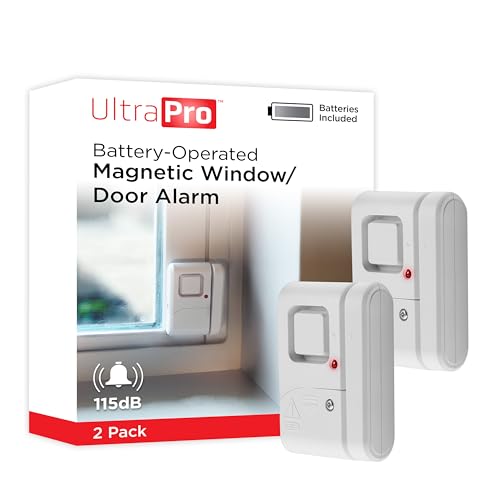
| GE Window and Door Alarm | Best standalone siren | Alarm with built-in siren | None (local only) | Replaceable batteries | Budget |
| YoLink Door and Window Sensor | Best long range | Contact sensor | LoRa with YoLink hub | AAA batteries, long life | Mid-range |
| Eve Door and Window | Best for Apple privacy | Contact sensor | Matter over Thread | Replaceable battery | Mid to upper-mid |
| Glass-break sensor (wireless, alarm-system compatible) | Best for large panes | Acoustic sensor | Depends on alarm panel | Replaceable battery | Mid-range |
Specifications come from manufacturer product pages and may differ between revisions and regional versions. Check compatibility with your hub or alarm panel before buying.
Best overall smart sensor: Aqara Door and Window Sensor P2
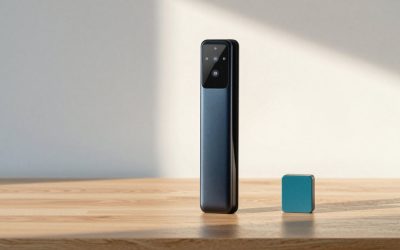
Aqara’s P2 is a small contact sensor that pairs a magnet and sensor to detect when a window opens. Because it speaks Matter over Thread, it works with Apple Home, Google Home, Alexa and SmartThings through a Thread border router, so you are not locked into one ecosystem. Setup is fast, and automations can sound sirens, turn on lights or send phone alerts the moment a window opens.
It needs a compatible Thread border router or Aqara hub, so total cost depends on what you already own. It reports opening and closing but does not sound a siren by itself, so pair it with a smart speaker, hub or siren.
Best for Ring Alarm: Ring Alarm Window and Door Contact Sensor (2nd gen)
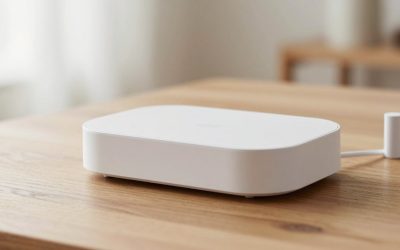
This slim sensor is designed for Ring Alarm. It connects to the Ring base station, can be bought in multi-packs and has a battery life of around 3 years on two coin cells, according to the manufacturer. If you already use Ring Alarm, it is the simplest and most affordable way to cover every window.
It only works with the Ring ecosystem, and without the Ring Alarm system it has no use. Ring Protect plans unlock professional monitoring and extra features.
Best standalone siren: GE Window and Door Alarm
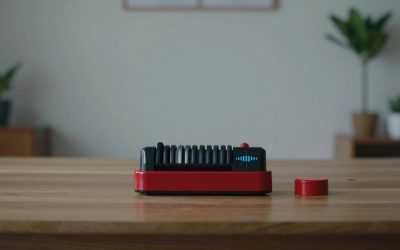
The GE alarm is a self-contained unit with a siren and a magnetic sensor. When a window opens, it sounds a loud alert of about 120 decibels, and some models include a chime mode to announce visitors. No hub, app or Wi-Fi is needed, so it is ideal for renters, dorm rooms, vacation homes or basement windows.
It does not notify your phone, so you must be within earshot. It is a local deterrent, not a monitored system.
Best long range: YoLink Door and Window Sensor
YoLink uses LoRa, a long-range, low-power radio, which allows sensors to reach far-off locations such as a detached garage, workshop or gate without extra repeaters. Batteries last a long time, and the sensor works with the YoLink hub and app, with Alexa and Google integrations.
It needs a YoLink hub, and ecosystem choices are narrower than Matter-based sensors. If your windows are far from your router, it is a great way to reach them.
Best for Apple privacy: Eve Door and Window
Eve Door and Window uses Matter over Thread and is designed with local control and privacy in mind. It works well with Apple Home and supports Matter platforms, and it does not depend on a cloud account for core functions. Its design is clean and compact.
It costs more than some competitors, and Eve’s feature set is intentionally simple. For Apple households that want local control, it is a good fit.
Best for large panes: wireless glass-break sensor
Contact sensors tell you when a window opens, but not when the glass breaks while the window stays closed. A glass-break sensor listens for the frequency of shattering glass and can cover several windows in a room from one spot. Choose a model compatible with your alarm panel or hub.
Acoustic sensors can have false triggers in noisy rooms and do not replace contact sensors. They are a useful addition for rooms with large panes or sliding glass doors.
How to choose a window alarm
Contact sensor or standalone siren?
A contact sensor sends a signal to a hub, app or alarm panel. A standalone alarm makes noise directly. If you want phone alerts and automations, choose a contact sensor. If you want the simplest local deterrent, choose a standalone alarm.
Gap tolerance and installation: a worked example
Most contact sensors need the magnet and the sensor to be within a small gap, often less than about 0.8 inches when closed. If your window frame is 0.5 inches wide at the gap and the sensor tolerance is 0.86 inches, it will work. If the gap is larger, you need a spacer or a different mounting position. Test by opening the window slowly and checking when the app registers it, then mount accordingly.
Protocol: Matter, Zigbee, Z-Wave, Wi-Fi or LoRa
Matter over Thread suits modern smart homes and works across platforms. Zigbee and Z-Wave are reliable but need hubs. Wi-Fi sensors are easy but use more power. LoRa reaches farthest.
Battery life
Coin cell sensors can last one to three years depending on use. Check low-battery alerts and keep spare batteries. Sensors in cold climates may need more frequent replacement.
Placement
Install the sensor on the top corner of the window opposite the hinge or latch, where it will detect opening first. For sliding windows, place the magnet on the moving part. Use adhesive carefully on clean, dry surfaces.
Siren volume
For standalone alarms, 100 to 120 decibels is loud enough to startle most intruders. If a siren will be heard indoors only, a lower volume may be acceptable.
Common mistakes and ownership realities
- Forgetting second-story windows. Burglars may use ladders or balconies.
- Misaligned magnets. Cause false alarms and missed alerts.
- Ignoring window locks. Sensors detect but do not stop entry. Use sturdy locks and pin sliding windows.
- Not testing after seasonal changes. Frames can shift with temperature.
- Letting batteries die. Set reminders and replace every year or two.
What wears first is usually the battery and the adhesive. Clean surfaces and press firmly for 30 seconds when mounting to prevent peeling.
Which window alarm should you buy?
| Your situation | Choose |
|---|---|
| Modern smart home on Apple, Google or Alexa | Aqara Door and Window Sensor P2 |
| Ring Alarm owner | Ring Alarm Window and Door Contact Sensor (2nd gen) |
| Renter or no smart home | GE Window and Door Alarm |
| Detached buildings and distant windows | YoLink Door and Window Sensor |
| Local control and Apple privacy | Eve Door and Window |
| Large glass panes or sliding doors | Wireless glass-break sensor |
Frequently Asked Questions
What is the best window alarm for renters?
A standalone alarm such as the GE window and door alarm is easy to install with adhesive and removes cleanly. It needs no Wi-Fi or hub.
Do window sensors work if Wi-Fi is down?
Standalone alarms do, because they work locally. Smart sensors depend on your hub or router for notifications, though some hubs have battery or cellular backup.
How loud should a window alarm be?
Around 100 to 120 decibels is typical for standalone alarms and loud enough to startle intruders and alert people nearby.
Are glass-break sensors worth it?
They can be, particularly for rooms with large windows or sliding doors. They complement contact sensors by detecting breakage when the window is closed.
How long do window sensor batteries last?
Manufacturers typically claim one to three years for coin cells. Real life depends on temperature and how often the window opens, so use low-battery alerts.
Can I put window sensors on sliding windows?
Yes. Put the sensor on the frame and the magnet on the moving sash, keeping the gap within the manufacturer’s tolerance.
Write Your Review
No reviews yet. Be the first to share your experience!