
Key takeaways
- Hatch Restore 2 vs Philips SmartSleep sunrise alarm clock: compare sunrise light, wake sounds, wind-down routines, app control, and ease of use in your bedroom.
Introduction
If you are choosing between the hatch restore 2 vs philips smartsleep sunrise alarm clock, you are really choosing between two different ideas of a better morning. Both clocks wake you with light that brightens gradually instead of a sudden alarm, and both help you wind down at night, but they get there in very different ways. The Hatch Restore 2 is an app-guided sleep companion built around routines, soundscapes, and a sunrise that you set up from your phone. The Philips SmartSleep sunrise alarm clock, model HF3520/60, is a self-contained bedside lamp and clock that works with buttons on the device itself, with no app and no account needed.
The quick answer is straightforward. Choose the Hatch Restore 2 if you want guided wind-down routines, a wide library of sleep sounds, and the flexibility of setting everything from an app. Choose the Philips SmartSleep HF3520/60 if you want a simple, screen-light bedside clock with a colored sunrise and sunset, an FM radio, and controls you can reach without picking up your phone. Neither clock is the right pick for everyone, and the details below show where each one fits best.
This comparison looks at the sunrise and sunset light, the wake-up sounds, the way each clock is controlled, the wind-down routines, the display and bedside design, and the practical points to check before you buy. Both products in this article are sunrise alarm clocks, so the comparison stays on the same product type throughout.
Quick Picks
| Product | Best For | Key Spec |
|---|---|---|
| Hatch Restore 2 | App-guided routines and a wide sound library | Sunrise alarm with wind-down routines, app control, and sleep sounds |
| Philips SmartSleep Wake-up Light HF3520/60 | Simple, no-app mornings with a colored sunrise and sunset | Colored sunrise and sunset simulation, 20 brightness settings, 5 natural wake-up sounds, FM radio |
How to Choose
Sunrise Light: Gradual Brightness or Colored Dawn
The sunrise is the heart of both clocks, and it works differently on each one. The Philips SmartSleep HF3520/60 produces a colored sunrise that moves from soft red through orange to bright yellow light over a period of 20 to 40 minutes, reaching a maximum brightness of 300 lux with 20 brightness settings to choose from. That color progression is designed to feel like a natural dawn, and the same lamp can serve as a bedside reading lamp during the evening.
The Hatch Restore 2 also brightens gradually before your alarm time, so the room is already filling with light when the sound begins. Its sunrise is part of a wider routine rather than a standalone lamp feature, and you adjust the light and the timing through the app. If a colored dawn and a lamp you can use for reading matter most, the Philips approach is the more direct match. If you want the sunrise to sit inside a full morning routine with sounds and steps you can shape, the Hatch approach fits better.
Wake-Up Sounds: Natural Sounds, Radio, or a Sound Library
What you hear when the light reaches full brightness matters as much as the light itself. The Philips SmartSleep HF3520/60 offers a choice of 5 natural wake-up sounds, plus an FM radio that can serve as your alarm sound or as bedside listening. The sounds are built into the clock, so there is nothing to download and nothing to stream.
The Hatch Restore 2 draws on a library of sleep sounds, white noise, and gentle wake-up sounds that you select in the app. That gives you far more choice than five built-in sounds, and it lets you pair a particular sound with a particular routine. The trade-off is dependence on the app and, for the full library, on the service behind it. If you want a small set of natural sounds that always works the same way, Philips keeps it simple. If you like to change your wake-up sound with your mood or your routine, Hatch gives you more room to do that.
Wind-Down Routines: A Sunset Lamp or a Guided Routine
Both clocks help you get ready for sleep, not just wake up. The Philips SmartSleep HF3520/60 includes a simulated sunset that fades and reddens as it dims, which works as a visual cue that the day is ending. You set the sunset, the lamp fades, and the room grows darker on its own. It is a calm, low-effort way to mark bedtime, and it needs no phone and no setup beyond the buttons on the clock.
The Hatch Restore 2 treats wind-down as a routine with steps: dimming light, calming sounds, and a sequence you can follow night after night. That structure suits people who want a repeatable bedtime ritual and who are happy to build it in the app. It also suits people whose sleep troubles come from an unstructured evening rather than from light alone. If you want a simple fading sunset, Philips is enough. If you want a guided sequence that walks you toward sleep, Hatch is the stronger pick.
Controls: Buttons on the Clock or an App on Your Phone
How you set the clock shapes how it feels every day. The Philips SmartSleep HF3520/60 is controlled entirely on the device. It has two alarm settings, so you can keep separate weekday and weekend wake times, and you tap the top of the clock to snooze. The display dims automatically, so it does not glare at you through the night, and there is no phone involved at any point.
The Hatch Restore 2 is set up and adjusted through the Hatch Sleep app on your phone. That makes it easy to fine-tune routines, change sounds, and adjust schedules without leaning over the nightstand in the dark. It also means your phone is part of the bedtime setup, which some people prefer to avoid. If you want a phone-free bedroom, Philips is the clear choice. If you like the precision and flexibility of app control, Hatch is the natural fit.
Display and Bedside Design: A Lamp or a Sleep Companion
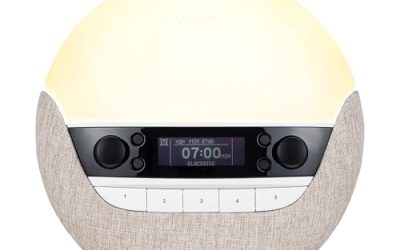
The Philips SmartSleep HF3520/60 is shaped like a bedside lamp with a clock built in. It is a single unit that sits on the nightstand, lights the room, and shows the time on a display that dims on its own. Its controls sit on top and around the unit, and the whole design is meant to be used without looking at a screen.
The Hatch Restore 2 is a more compact bedside unit with a soft-glowing front, a large control button, and a display that can be dimmed or turned off. It is designed to blend into the bedroom rather than to light it like a lamp, and its look is quieter and more minimal. Both clocks belong on a nightstand, but Philips doubles as a reading lamp while Hatch reads more as a dedicated sleep device. Think about whether you want a lamp that also wakes you, or a sleep device that also tells the time.
Who Each Clock Suits Best
The differences above point to two different sleepers. The Philips SmartSleep HF3520/60 suits people who want a dependable, self-contained sunrise clock with a sunset, a radio, and no app to manage. It suits shared bedrooms too, since the two alarm settings and the tap snooze are easy for anyone to use without learning an app.
The Hatch Restore 2 suits people who want to build a bedtime routine and who enjoy choosing sounds and steps in an app. It suits light sleepers who rely on white noise, people who wake at different times on different days, and anyone who treats sleep as a routine to shape rather than a single alarm to set. The next section looks at each clock in detail, including who should skip it.
The Best Hatch Restore 2 vs Philips SmartSleep Sunrise Alarm Clock Reviewed
Hatch Restore 2
The Hatch Restore 2 is a sunrise alarm clock and sleep companion that pairs a gradual sunrise with wind-down routines and a library of sleep sounds. You set your wake time, choose a sunrise length and a wake-up sound, and build a wind-down routine that dims the light and plays calming sounds before bed. The app is where the routine lives, so you can adjust the steps, swap sounds, and change schedules without handling the clock itself.
The sunrise is the centerpiece of the morning side. Light brightens gradually before your alarm, so you are already coming out of deep sleep by the time the sound starts. The sound library covers white noise, nature sounds, and gentle wake tones, which gives you more choice than a clock with a handful of built-in sounds. The wind-down side is equally structured, with a sequence that eases you toward sleep rather than a single fading light.
This clock suits people who want a routine they can shape, who like variety in their sleep sounds, and who are comfortable managing a bedside device from a phone app. It also suits people who struggle to fall asleep and want more than a lamp to help them wind down, since the guided steps give the evening a clear shape.
Who should skip it: skip the Hatch Restore 2 if you want a phone-free bedroom, if you dislike setting things up in an app, or if you want a bedside lamp that doubles as a reading light. It is also a weaker fit if you only want a simple sunrise alarm with a couple of built-in sounds and no routine to manage.
Note on availability: no verifiable Amazon US ASIN could be confirmed for the Hatch Restore 2 at the time of writing, so no Amazon link is given for this product in this article. Check the current listing name and seller carefully before buying, and confirm that the listing is for the Restore 2 rather than an earlier model.
Philips SmartSleep Wake-up Light HF3520/60 (B0093162RM)

The Philips SmartSleep Wake-up Light HF3520/60 is a sunrise alarm clock that wakes you with colored light and natural sound, and winds you down with a simulated sunset. Its sunrise moves from soft red through orange to bright yellow over 20 to 40 minutes, with 20 brightness settings and a maximum brightness of 300 lux. It offers 5 natural wake-up sounds, an FM radio, a reading lamp function, tap snooze, two alarm settings, and a display that dims automatically.
The sunset is one of the strongest parts of this clock. The light fades and reddens as it dims, which gives the evening a clear ending and helps the room grow dark on its own. The sunrise side is just as considered, with the color progression doing work that a plain white light cannot. The FM radio adds a practical touch, letting the clock serve as a bedside radio as well as an alarm, and the two alarm settings make it easy to keep weekday and weekend times separate.
This clock suits people who want a self-contained sunrise clock with no app, no account, and no phone at bedtime. It suits readers who want a bedside lamp, people who like falling asleep to a fading light, and anyone who wants a sunrise alarm that works the same way every morning without setup beyond the buttons.
Who should skip it: skip the Philips SmartSleep HF3520/60 if you want a wide library of sleep sounds, guided wind-down routines, or app control from your phone. It is also a weaker fit if you want white noise as a core feature, since its five built-in sounds and FM radio cover less ground than a sound-library device.
What to Check Before You Buy
Start with the model name. For Philips, confirm the listing says HF3520/60, since Philips sells several wake-up lights with similar names and different brightness levels, sound counts, and features. For Hatch, confirm the listing says Restore 2, since earlier Hatch models have different designs and different features.
Next, think about how you will control the clock every day. If you keep your phone out of the bedroom, a clock with on-device buttons is the safer choice. If you like adjusting routines from your phone and changing sounds often, an app-controlled clock will feel more natural. Try to picture the setup step as well: the Philips clock is set with buttons and a manual, while the Hatch clock is set in the app, and the experience is quite different.
Check the light and sound features against your own sleep habits. A colored sunrise and a sunset suit people who respond to light cues. A sound library and white noise suit people who fall asleep to sound or who wake easily to noise. If you share a bedroom, check the alarm settings and the snooze: two alarm settings help when two people wake at different times, and a tap snooze is easier to use half-asleep than a small button.
Look at the size and the display. Both clocks sit on a nightstand, but the Philips unit is lamp-sized and lights the room, while the Hatch unit is more compact and minimal. An automatically dimming display matters if you are sensitive to light at night, and a display you can turn off entirely matters even more.
Finally, confirm the listing details before you order. Check the model number, the included features, and the seller information, and make sure the listing matches the product described in this article. Sunrise clocks are easy to confuse across similar model names, so a careful check at this stage saves a return later.
FAQ
Is the Hatch Restore 2 or the Philips SmartSleep better for heavy sleepers?
It depends on what wakes you. The Philips SmartSleep HF3520/60 pairs a bright colored sunrise with natural sounds or FM radio, which suits people who respond to light and sound together. The Hatch Restore 2 pairs a gradual sunrise with a sound you choose from its library, which suits people who need a particular sound to wake fully. Heavy sleepers who sleep through light alone may prefer the Hatch side for its sound choice, while heavy sleepers who wake to light may prefer the Philips side for its brighter lamp.
Do either of these clocks need a phone app?
The Philips SmartSleep HF3520/60 does not need an app at all. Everything is set on the clock itself, and it works without a phone in the room. The Hatch Restore 2 is set up and adjusted through the Hatch Sleep app, so a phone is part of how you use it. If a phone-free bedroom matters to you, Philips is the simpler choice.
Which clock is better for winding down at night?
Both help, in different ways. The Philips SmartSleep HF3520/60 offers a simulated sunset that fades and reddens, which is a simple visual cue for bedtime. The Hatch Restore 2 offers a guided wind-down routine with dimming light and calming sounds in a sequence you can shape. If you want a simple fading light, Philips is enough. If you want a structured routine, Hatch goes further.
Can the Philips SmartSleep HF3520/60 be used as a reading lamp?
Yes. The Philips SmartSleep HF3520/60 works as a bedside lamp with 20 brightness settings, so you can use it for reading before bed and then let the sunset simulation take over when you are ready to sleep. The Hatch Restore 2 is not designed as a reading lamp in the same way, since its light is softer and its design is built around sleep routines rather than room lighting.
How many alarms can each clock hold?
The Philips SmartSleep HF3520/60 has two alarm settings, so you can keep separate times for weekdays and weekends, or for two people with different schedules. The Hatch Restore 2 holds routines and schedules you set in the app, so you can shape different wake times for different days. Both cover the common case of a weekday alarm and a weekend alarm, but they manage it in different places: on the clock for Philips, and in the app for Hatch.
Bottom Line
The hatch restore 2 vs philips smartsleep sunrise alarm clock choice comes down to how you want to manage your sleep. Pick the Hatch Restore 2 if you want app-guided wind-down routines, a wide choice of sleep sounds, and a sunrise that sits inside a routine you can shape. Pick the Philips SmartSleep HF3520/60 if you want a self-contained sunrise clock with a colored sunrise and sunset, five natural sounds, FM radio, and controls you can use without a phone.
Either clock can make mornings gentler than a sudden alarm. The right one is the one whose way of working matches your evenings as well as your mornings, so choose the control style and the wind-down approach you will actually use every night.
Disclosure: As an Amazon Associate, we may earn from qualifying purchases.
More from Amazon
Programs that pair well with the guide above. Offers and eligibility are set by Amazon and may change.
Free shipping on eligible items, Prime Video and more. Eligible new members can start with a free trial.
Start a Prime free trialAudiobooks and podcasts to listen to on the go. Eligible new members can start with a free trial.
Try Audible freeAd-free music streaming. Eligible new subscribers can start with a free trial.
Try Music Unlimited freeA free business account with business pricing and bulk-buying tools for work, shop or home office.
Create a business accountAs an Amazon Associate we earn from qualifying purchases.


Write Your Review
No reviews yet. Be the first to share your experience!