
Key takeaways
- Learn how to tell if your Jeep has a factory alarm, whether it includes battery backup, and how to check using your fob, VIN, and build sheet.
Many Jeep owners only start thinking about the factory alarm after a dead battery, a broken window in a parking lot, or a warning light they do not recognize. The question sounds simple, but it actually contains two separate questions. First, does your particular Jeep have a factory security alarm at all, since not every model, year, and trim left the factory with one. Second, if it does have an alarm, does that alarm keep working from a backup power source if the main vehicle battery is disconnected or goes flat.
This guide walks through both questions in plain language. It explains how Jeep factory security systems are generally organized, how an alarm differs from an immobilizer, what battery backup really means in practice, and the most reliable ways to check your own vehicle using its key fob, dashboard behavior, window sticker, build sheet, and vehicle identification number. By the end, you should be able to answer the question for your specific Jeep with confidence, and know what to do next if the answer is no.
As an Amazon Associate, we earn from qualifying purchases.
How Jeep Factory Alarm Systems Generally Work
A factory alarm is a security system installed during production and integrated with the vehicle wiring, door locks, and body control electronics. On Jeep vehicles, the factory system is commonly described in owner manuals and sales literature as a vehicle security alarm or vehicle security system. When armed, it monitors entry points such as the doors, hood, and liftgate or tailgate, depending on the model. If a monitored point is opened without a valid unlock command, the system typically responds by sounding the horn in a repeating pattern, flashing the exterior lights, and in some cases disabling further starting attempts until it is disarmed with a recognized key or fob.
Arming usually happens automatically as part of normal locking. Pressing the lock button on the key fob, using the passive entry lock button on a door handle on equipped models, or locking the doors in the manner described in the owner manual generally arms the system after a short delay. A small indicator light on the instrument cluster often flashes rapidly during arming and then settles into a slower blink once the system is armed. That slow blink is one of the easiest visual clues that an alarm is present and active, and it is covered in more detail below.
Disarming is equally tied to the key. Unlocking with the fob, using passive entry with a recognized fob nearby, or starting the vehicle with a valid key tells the electronics that the entry is authorized, so the alarm stands down. This integration is why a factory alarm feels invisible most of the time. There is no separate remote, no extra arming routine, and no add-on siren under the hood in a typical factory installation.
It also helps to separate the alarm from the immobilizer, because the two are often confused. An immobilizer, known on many Jeep vehicles over the years as a Sentry Key system, prevents the engine from running unless a key or fob with the correct electronic code is present. It works quietly in the background and makes no noise. An alarm, by contrast, is the system that makes noise and flashes lights to draw attention and discourage a break-in. A Jeep can have an immobilizer without having a full audible alarm, which is one reason owners sometimes assume they have an alarm when they only have theft deterrence for starting the engine.
Which Jeep Models and Trims Typically Include an Alarm
There is no single rule that covers every Jeep ever sold, because equipment has varied by model, model year, trim level, options package, and market. In broad terms, higher trims and models equipped with convenience or security option packages are more likely to include a factory alarm as standard equipment. Lower or base trims, especially older entry-level models and vehicles built for fleet use, were sometimes delivered with remote keyless entry and an immobilizer but without the full audible alarm, or with the alarm offered as part of an optional package.
Popular lines such as Wrangler, Grand Cherokee, Cherokee, Compass, Renegade, and Gladiator have all been sold in configurations with and without a factory alarm over their production runs. A well-equipped Grand Cherokee, for example, is very likely to have a factory security system, while an older base-trim model may require a closer check. Special or off-road focused editions do not automatically settle the question either, because their packages focus on suspension, tires, and drivetrain equipment rather than security equipment.
The model year matters as much as the nameplate. Manufacturers revise standard equipment lists frequently, sometimes adding an alarm across a range during a refresh and sometimes bundling it into a package that was previously standard. Two Jeeps that look nearly identical in a parking lot can therefore differ on this one feature if they were built a year apart or ordered with different options.
For that reason, general guidance can only tell you what is likely. It cannot confirm the equipment on your individual vehicle. Confirmation always comes from records tied to your specific Jeep, such as its build sheet, or from observing the alarm behavior directly using the simple checks described later in this article. Treat any list of trims as a starting point for your search, not as the final answer.
What Battery Backup Means for a Car Alarm
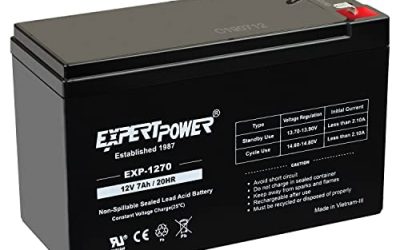
Battery backup means the alarm has a second power source it can draw on if the main vehicle battery stops supplying power. In an aftermarket alarm, that backup is usually a small rechargeable battery built into the siren unit or a separate backup module hidden in the vehicle. If a thief cuts a battery cable or the main battery is disconnected, the backup keeps the siren powered so it can keep sounding, and in some designs it can even trigger the siren the moment main power is lost.
That concept is straightforward, but it leads to the most important fact in this article. Factory Jeep alarm systems, in the great majority of cases, do not include a dedicated backup battery of their own. The factory alarm is powered by the vehicle electrical system, which means it depends on the main twelve volt battery. If that battery is fully discharged or disconnected, a typical factory alarm cannot sound the horn or flash the lights, because those devices also depend on the same power source. There is no hidden second battery from the factory whose job is to keep a standard Jeep alarm running on its own.
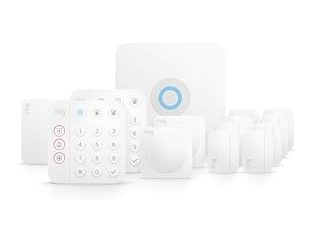
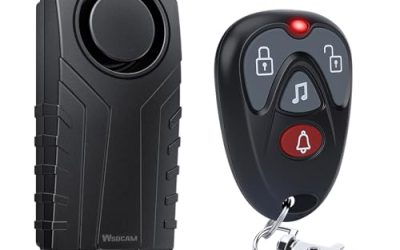
Aftermarket systems are the main exception to keep in mind. A previous owner may have installed an aftermarket alarm or an add-on backup battery siren, and dealers sometimes fitted aftermarket systems to new vehicles before sale. If your Jeep has such an installation, it may indeed have battery backup even though the factory system did not. Clues include a non-factory siren under the hood, extra wiring near the battery, a small added control module under the dashboard, or a remote that does not match the factory key fob design.
How to Check Whether Your Jeep Has a Factory Alarm
The most convincing evidence comes from combining a records check with a simple behavior check. Records tell you what was built into the vehicle, while behavior confirms that the equipment is present and still working. Start with the records if you have them, then confirm with the vehicle itself.
The window sticker, often called the Monroney label, lists standard and optional equipment for the vehicle as sold new. If you still have the original sticker in your paperwork, look under standard equipment and under optional equipment for terms such as security alarm, vehicle security system, or a security group package. An original window sticker is strong evidence, although it describes the vehicle as sold and cannot show equipment added or removed later.
A build sheet is even more detailed. It lists the production codes for the equipment fitted to one specific vehicle. Jeep owners can usually obtain build information through a dealer parts or service department using the vehicle identification number, and owner resources provided by the brand have at times allowed a build sheet lookup by that number as well. On the build sheet, look for a line naming a security alarm or security system among the equipment codes. A dealer can also confirm the fitted equipment from the same number if you would rather ask directly.
The owner manual for your exact model year is another useful reference. Manuals typically describe the security system only for vehicles so equipped, explain how arming and disarming work, and identify the indicator light behavior. If your manual describes an arming indicator and alarm response in detail, that supports the idea that the system was offered for your model, though the manual alone does not prove your individual Jeep has it, since one manual often covers every trim in the range.
Finally, check the vehicle itself. Lock and arm the Jeep with the fob, then watch the instrument cluster through the window. A security indicator that flashes quickly and then changes to a slow, steady blink is a classic sign of an armed factory system. You can also perform a careful trigger check. Arm the system while a window is lowered, wait for the indicator to settle into its armed blink, then reach in and open a door using the inside handle without unlocking with the fob. On an alarm equipped Jeep, that unauthorized opening should trigger horn sounds and flashing lights. Disarm promptly with the fob to stop it. Choose a time and place where a brief horn sounding will not disturb others, and consult your manual first, because the exact arming delay and trigger behavior vary by model.
Signs Your Alarm Does or Does Not Have Battery Backup
Because a dedicated backup battery is uncommon in factory installations, the default assumption should be that a factory Jeep alarm does not have one unless you find specific evidence of an aftermarket addition. Still, there are practical ways to evaluate your own vehicle without taking anything apart.
Look for aftermarket hardware first. With the hood open, a factory engine bay contains the main battery, fuse and relay centers, and standard wiring looms. An added siren, usually a compact horn shaped unit mounted on an inner fender or firewall with wiring that is clearly separate from the factory looms, points to an aftermarket system. Some backup battery sirens look similar to ordinary aftermarket sirens, so the presence of a siren tells you an aftermarket system exists, but only its documentation or model information can confirm that it contains a backup battery.
Avoid one tempting test. Do not disconnect your vehicle battery just to see whether the alarm keeps working. Disconnecting the battery on a modern vehicle can clear learned settings, trigger warning lights, require radio or system resets, and create avoidable problems, and on some aftermarket systems it will immediately set off a loud siren by design. If you genuinely need to know how an aftermarket system behaves without main power, ask the installer or a qualified auto electrician, who can identify the unit and explain its design safely.
Using the VIN, Window Sticker, and Build Sheet Together
The vehicle identification number is the key that ties every records check together. It is visible on a plate at the base of the windshield on the driver side and on a label inside the driver door opening, and it also appears on registration and insurance documents. The number identifies the exact vehicle and its production record, which is why dealers and brand owner services use it to retrieve equipment information.
A sensible order of checks saves time. First, read the window sticker if you have it, since it is the quickest overview of how the Jeep was equipped when new. Second, request or look up the build sheet by the identification number for the definitive factory equipment list, and search it for security alarm wording. Third, confirm with the indicator light and trigger check on the vehicle itself, which proves the system is not only listed but present and functioning. If all three agree, you have a reliable answer about the alarm itself.
Practical Steps and Tips for Jeep Owners
Once you know what your Jeep has, a few habits keep the system useful. Keep the main battery healthy, because a factory alarm, the horn, and the lights all depend on it. Follow the inspection guidance in your owner manual and have the battery checked if starting becomes slow.
Learn the normal indicator behavior for your model so you can spot changes. If the security light stops blinking when armed, stays on solid, or appears while driving, treat that as a prompt to consult the manual or a dealer rather than ignoring it. Changes in that light can signal a system fault, a key recognition problem, or a battery voltage issue, and catching the cause early is usually simpler than dealing with a vehicle that will not start.
If the lack of battery backup concerns you, talk with a reputable installer or dealer about options before buying anything. An aftermarket backup battery siren or a fuller aftermarket system can add backup power, but it must be compatible with your Jeep electronics and installed correctly to avoid draining the main battery or causing false alarms. Ask what happens to the system when the main battery is disconnected, how the backup battery is recharged, and how it is replaced when it ages. Clear answers to those questions separate a well planned upgrade from an accessory that creates new problems.
If your Jeep has no factory alarm at all, the same conversation applies. A dealer may be able to advise whether a factory style upgrade is available for your model, and an installer can explain aftermarket choices. Either way, decide based on where you park, what you carry, and local conditions rather than on fear alone, and keep written records of anything fitted so the next owner, or your future self, can answer these same questions easily.
Frequently Asked Questions
Does every Jeep come with a factory alarm?
No. Equipment varies by model, year, trim, and options package. Many Jeeps include a factory security alarm, especially in higher trims or with security packages, but some base or fleet models were delivered with keyless entry and an immobilizer only. The build sheet for your specific vehicle is the most reliable way to confirm what was fitted at the factory.
If my Jeep battery dies, will the factory alarm still work?
In most cases, no. A typical factory alarm is powered by the main vehicle battery and uses the horn and lights, which also need that power. A fully discharged or disconnected battery leaves a standard factory system unable to sound. Only an aftermarket system with its own backup battery is designed to keep a siren running without main power.
How can I tell the difference between an alarm and an immobilizer?
An immobilizer quietly prevents the engine from running without a correctly coded key or fob, and it makes no sound. An alarm monitors doors and other entry points and responds with the horn and flashing lights when it detects an unauthorized opening. Many Jeeps have an immobilizer, and an alarm is an additional feature that must be confirmed separately.
Can battery backup be added to my Jeep later?
Yes, in many cases an aftermarket backup battery siren or a complete aftermarket alarm with backup power can be fitted by a qualified installer. Compatibility with modern vehicle electronics matters, so choose an installer familiar with your model, ask how the backup is charged and replaced, and keep the documentation with your vehicle records for future reference.
Conclusion
So, does your Jeep have an alarm with battery backup? For most owners, the honest answer comes in two parts. Your Jeep may well have a factory alarm, and you can confirm that with its window sticker, a build sheet obtained through the vehicle identification number, and a simple indicator and trigger check on the vehicle itself. But that factory alarm almost certainly does not have a dedicated backup battery, because factory systems run from the main vehicle battery and stop working when that battery is flat or disconnected.
Battery backup is mainly an aftermarket feature, found in add-on sirens and systems that a previous owner or dealer may have installed. Checking for that hardware and its paperwork completes the picture for a used Jeep. Armed with a clear answer, you can maintain the battery your factory system depends on, use the alarm as one sensible layer of protection, and, if backup power truly matters for how and where you park, explore a properly installed upgrade with your eyes open.
More from Amazon
Programs that pair well with the guide above. Offers and eligibility are set by Amazon and may change.
Free shipping on eligible items, Prime Video and more. Eligible new members can start with a free trial.
Start a Prime free trialAudiobooks and podcasts to listen to on the go. Eligible new members can start with a free trial.
Try Audible freeAd-free music streaming. Eligible new subscribers can start with a free trial.
Try Music Unlimited freeA free business account with business pricing and bulk-buying tools for work, shop or home office.
Create a business accountAs an Amazon Associate we earn from qualifying purchases.


Write Your Review
No reviews yet. Be the first to share your experience!