
Key takeaways
- Find the best 9v battery for smoke alarm use. Compare lithium and alkaline 9V cells on shelf life, pack size, fit, temperature range, and alarm compatibility.
The best 9v battery for smoke alarm use is the one your alarm manufacturer approves, that holds its charge through months of quiet standby, and that you will actually replace on schedule. A smoke alarm battery spends most of its life doing nothing visible: it sits inside a ceiling-mounted alarm, drawing a tiny current, waiting for the moment it is needed. When that moment comes, or when the low-battery chirp starts in the middle of the night, the chemistry, shelf life, and fit of the cell inside matter far more than the brand printed on the outside.
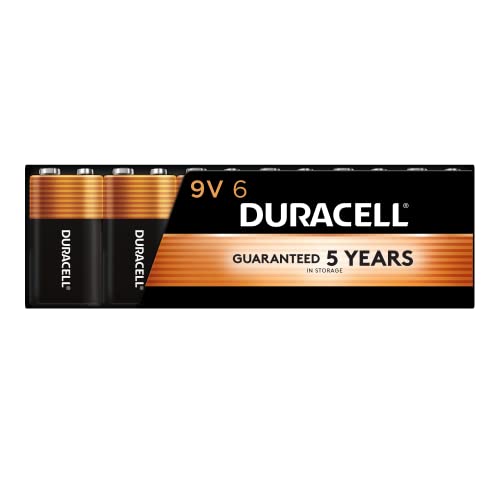

Quick answer: for most homes, a name-brand alkaline 9V such as the Duracell Coppertop 6-count is the safest default, because nearly every alarm manual lists alkaline cells. If your manual also approves lithium, the Energizer Ultimate Lithium is the better choice for hardwired alarms and hard-to-reach spots. The four cells below are all standard 9V batteries sold on Amazon US, named for smoke alarm use in their listings, with chemistry and shelf life stated for each.
Quick Picks
| Product | Chemistry | Shelf Life | Best For |
|---|---|---|---|
| Energizer Ultimate Lithium 9V Batteries (2 Pack) | Lithium | Up to 10 years | Hardwired alarms needing a long-life backup cell |
| Tenergy 9V Lithium Batteries, 1200mAh (2 Pack) | Lithium | 10 years | Battery-only alarms in hard-to-reach spots |
| Duracell Coppertop 9V Battery, 6 Count | Alkaline | 5 years | Homes with several alarms on a yearly schedule |
| Amazon Basics 4-Pack 9V Alkaline Batteries | Alkaline | 5 years | Routine replacement rounds across a whole house |
How to Choose
Start With the Battery List Printed on Your Alarm
Before chemistry or brand enters the picture, open the alarm battery compartment or read the manual and note exactly which cell types the manufacturer approves. Many alarms are built around a standard alkaline 9V, some hardwired models accept a lithium backup cell, and a smaller group of alarms takes AA cells or a different size entirely instead of a 9V block. Buying against that printed list prevents the most common failure in this category: a perfectly good battery that the alarm was never designed to use. If your alarm takes AA cells rather than a 9V, none of the picks in this guide apply, and the correct move is to shop for the size the manufacturer names. When an alarm starts its low-battery chirp, replace the cell promptly rather than removing it and leaving the alarm unpowered, and press the test button after fitting the fresh battery to confirm the alarm sounds.
Lithium or Alkaline: Match Chemistry to Access
The practical split in this category is how often you want to climb up and open the alarm. Lithium 9V cells, like the Energizer and Tenergy picks below, are listed with storage lives of up to ten years and are framed by their makers as long-term backup power, which suits alarms over stairwells, in rental units, or anywhere access is awkward. Alkaline cells from Duracell and Amazon Basics carry shorter stated shelf lives and fit a simpler routine: swap every alarm on the same day each year and keep the date written on the new cell. Neither chemistry is universally better. The right one is the one your alarm battery list allows and your access pattern supports. One important caution applies to lithium: some alarm manufacturers do not approve lithium cells at all, so a lithium battery should never go into an alarm whose manual lists alkaline only.
Shelf Life Decides How Your Spares Behave
A smoke alarm battery spends most of its life waiting, either inside the alarm or in a drawer, so the shelf life printed on the listing deserves as much attention as the pack size. The lithium picks in this guide state up to ten years in storage, while the alkaline picks state five years, and that difference decides whether a spare bought today is still trustworthy when a chirp starts years from now. Buy pack sizes you can realistically rotate through before that storage window closes. A large multipack only helps if the last cell out of the box is still inside its stated shelf life when it finally goes into an alarm. Check the date printed on the packaging when a pack arrives, and write the install date on each cell with a marker so you always know how long it has been in service.
Pack Size and Fit Are Quiet Deal-Breakers
Count your alarms before choosing a pack, including hardwired units that carry a backup cell, because a two-pack disappears quickly in a house with five alarms. A six-pack covers a typical set of bedroom, hallway, and kitchen alarms in one round, with a spare left over, while a four-pack suits a smaller home. Then check fit: a 9V block is a standard size, but compartments vary, and the Amazon Basics listing publishes exact cell dimensions of 1.04 x 0.69 x 1.91 inches, which you can compare against a tight compartment before ordering. Also confirm the terminal style matches, since every pick here uses the familiar snap-top 9V format the listings describe. Getting these two details right avoids the common outcome of fresh batteries that either run out mid-round or refuse to seat properly in the compartment.
Single-Use Cells Are Not Rechargeable
Every battery in this guide is a single-use, non-rechargeable cell, and the listings state that plainly. Never put a disposable 9V battery in a charger, and never fit a rechargeable 9V into a smoke alarm unless the alarm manual explicitly approves it. Rechargeable 9V cells behave differently as they discharge: their voltage can fall off in a way that triggers a low-battery chirp early or, worse, leaves the alarm underpowered without warning. Alarm manufacturers design their low-battery warnings around the discharge curve of the disposable cells they list, so sticking to the approved disposable type keeps the warning system working as designed. If you are tempted by rechargeables to save money across many alarms, remember that the saving is small against the job the battery does.
Temperature and Placement Matter More Than You Think
Alarms live in varied places: a hallway ceiling, a garage, an attic stairwell, or a bedroom in a home that gets cold overnight. Lithium cells hold up better across a wide temperature range, and the Energizer Ultimate Lithium listing states performance from minus 40 degrees Fahrenheit to 140 degrees Fahrenheit, which is relevant for alarms in garages, attics, and unheated spaces. Alkaline cells lose usable capacity faster in the cold, so an alkaline cell in a freezing garage may chirp sooner than the same cell in a warm hallway. If any of your alarms sit in a space that swings with the seasons, that is a genuine reason to favour lithium, provided the alarm manual allows it.
Check the Date, Not Just the Brand
Batteries age on the shelf whether they are used or not, so the date on the pack matters as much as the name on it. When a pack arrives, look for the printed use-by date on the packaging, and set aside any pack whose date is already close. Keep spares in a cool, dry drawer, away from metal objects that could bridge the terminals, and keep the terminals covered or the cells in their original packaging until use. A loose 9V battery in a junk drawer next to keys or coins is a fire risk, because the two terminals sit close together on the top of the cell.
The Best Best 9v Battery for Smoke Alarm Reviewed
Energizer Ultimate Lithium 9V Batteries (2 Pack)
Best for: Hardwired alarms needing a long-life backup cell, and alarms in cold or hard-to-reach locations.
Chemistry: Lithium. Shelf life: Up to 10 years in storage.
This is the pick for alarms you want to think about least often. Energizer frames the cell as a long-term backup, stating up to ten years of backup service in AC-powered smoke detectors and power held for up to ten years in storage, which suits hardwired alarms where the 9V only works during a power outage. The listing also states performance across extreme temperatures from minus 40 degrees Fahrenheit to 140 degrees Fahrenheit and a leak-resistant construction, both relevant for alarms in garages, attics, and unheated spaces. The two-pack size fits a home with one or two hardwired alarms, or a single battery-only alarm in an awkward spot plus a spare for the drawer.
The main limitation is approval, not performance. Some alarm manufacturers do not approve lithium cells, so check the alarm printed battery list first. A lithium cell fitted to an alarm that lists alkaline only is a mismatch, however good the battery itself is. The two-pack also runs out fast in a house with many alarms, so this is a targeted pick rather than a whole-house solution.
Tenergy 9V Lithium Batteries, 1200mAh (2 Pack)
Best for: Battery-only alarms in awkward spots, where a high-capacity lithium cell stretches the time between changes.
Chemistry: Lithium metal. Shelf life: 10 years.
Tenergy leads with capacity, stating 1200mAh from a non-rechargeable lithium cell, and names smoke alarms directly in its recommended uses. The listing states a ten-year shelf life and describes the cell as backup power for AC-powered smoke detectors as well as a primary cell for battery-only alarms, which makes this two-pack a sensible choice for a small number of alarms you want to service rarely. The listing also states UL certification for the cell, and describes the lithium chemistry as holding its charge with a very low self-discharge rate in storage.
Two things deserve attention before ordering. First, Tenergy sells this cell in several pack sizes under different listings, so confirm the two-pack on the product page before ordering, and check that the ASIN on the page matches the two-pack listing. Second, the same lithium-approval caution applies as with the Energizer: the deciding check is whether your alarm manufacturer lists lithium among its approved replacements.
Duracell Coppertop 9V Battery, 6 Count
Best for: Homes with several battery-only alarms that get fresh cells on a fixed yearly schedule.
Chemistry: Alkaline. Shelf life: 5 years in storage, guaranteed by Duracell.
For a house full of alarms running on alkaline, this six-count pack matches the annual replacement routine many alarm manuals describe. Duracell names smoke detectors among the household devices the cell is designed for, alongside garage door openers and other everyday electronics, and the packaging carries a five-year storage guarantee for spares kept in a drawer. Six cells cover a typical set of bedroom, hallway, and kitchen alarms in one round, and the model designation MN1604 matches the 9V replacement named in many alarm battery lists.
The trade-off is the shorter storage window. Alkaline spares carry a five-year stated storage guarantee rather than the ten years the lithium picks claim, so rotate stock instead of stockpiling, and do not buy a larger pack than you can use within that window. Alkaline cells are also more affected by cold than lithium, so this pack suits heated living spaces better than an unheated garage.
Amazon Basics 4-Pack 9V Alkaline Batteries
Best for: Smaller homes doing a uniform alkaline replacement round, including combination smoke and CO alarms that take a 9V.
Chemistry: Alkaline. Shelf life: 5 years.
Amazon puts the use case in the title: these alkaline cells are listed for smoke and CO detectors, with a five-year shelf life for spares. The product page publishes the details that matter for fit, including the 6LR61-4PK model number and cell dimensions of 1.04 x 0.69 x 1.91 inches, so you can measure a cramped alarm compartment before the pack arrives. The four-pack size suits a smaller home with three or four alarms, leaving one spare for the drawer, and the uniform alkaline chemistry means one replacement routine covers every alarm in the house. Like the Duracell, this is a single-use cell that must not be recharged.
The limits are the same as any alkaline cell: a five-year storage window, and weaker cold-weather behaviour than lithium. If your alarms include one in a garage or attic, that unit may be better served by a lithium cell its manual approves, while the rest of the house runs on this four-pack. The smaller pack size is also a poor fit for a large home with eight or more alarms, where you would need two or three packs to complete a round.
What to Check Before You Buy
Count your alarms first, including hardwired units with a backup cell and combination smoke and CO alarms, then choose a pack size that covers the whole round with at least one spare. Read the battery list printed on each alarm or in its manual, and confirm whether lithium is approved before buying any lithium cell. Check the chemistry, shelf life, and model number on the listing, and confirm the ASIN and pack size on the product page match the pack you intend to buy, since several of these cells are sold in multiple pack sizes under different listings. Look at the printed date on the packaging when the order arrives, write the install date on each cell, and test every alarm after fitting a fresh battery. Finally, plan disposal: spent 9V batteries should go to a battery recycling drop-off rather than household trash, and covering the terminals with tape before disposal keeps a used cell from shorting against other batteries in the collection bin.
FAQ
How often should smoke alarm batteries be replaced?
Replace the battery when the alarm starts its low-battery chirp, and at least once a year for battery-only alarms on an alkaline schedule. Many alarm manuals recommend a fixed annual replacement day, which is easier to remember than waiting for a chirp. Hardwired alarms with a lithium backup cell can run longer between changes, but only within the battery life the alarm manual states. The alarm itself should also be replaced entirely after about ten years, following the date printed on the unit.
Can I use a lithium 9V battery in any smoke alarm?
No. Only use a lithium 9V battery if the alarm manual or the battery list printed on the alarm includes lithium among the approved types. Some manufacturers list alkaline only, and fitting a lithium cell to such an alarm can keep the alarm from working properly. When the manual is silent or lost, the safe choice is the alkaline 9V the alarm was designed around, or check the manufacturer website for the model battery list.
Why does pack size matter for alarm batteries?
Pack size matters because every alarm in the house should be serviced in the same round, and a pack that runs out halfway leaves some alarms on old cells. A two-pack suits one or two alarms, a four-pack suits a small home, and a six-pack covers a typical multi-bedroom house with a spare left over. Buying a larger pack than you can use within the stated shelf life wastes the extra cells, so match the pack to your alarm count rather than buying the biggest pack available.
What is the difference between alkaline and lithium 9V batteries for smoke alarms?
Alkaline 9V batteries are the standard cell most alarms were designed around, with a stated shelf life of about five years and a yearly replacement routine. Lithium 9V batteries state a shelf life of up to ten years, hold up better in cold temperatures, and suit hardwired alarms that use the battery only as backup. Lithium costs more per cell and is not approved for every alarm, so the choice depends on your alarm manual and how often you can reach each unit.
How should I store spare 9V batteries?
Store spares in a cool, dry place in their original packaging, away from metal objects such as keys and coins that could bridge the two terminals on top of the cell. Check the use-by date printed on the pack, use the oldest spares first, and keep a note of the purchase date so no spare sits past its stated shelf life. Never store loose 9V batteries in a drawer full of metal items, and tape the terminals of spent cells before taking them to recycling.
Bottom Line
The best 9v battery for smoke alarm use is the one your alarm approves and that fits your replacement routine. For most homes, the Duracell Coppertop 6-count alkaline is the safest default, because nearly every alarm manual lists alkaline cells and six cells cover a typical house in one round. For hardwired alarms and hard-to-reach spots where the manual also approves lithium, the Energizer Ultimate Lithium 2-pack is the long-life choice, with the Tenergy 1200mAh lithium 2-pack as a capable alternative. For smaller homes, the Amazon Basics 4-pack alkaline covers a uniform yearly round at a practical size. Whichever you choose, count your alarms, check the printed battery list, mind the shelf life, and test every alarm after the swap.
Disclosure: As an Amazon Associate, we may earn from qualifying purchases.
More from Amazon
Programs that pair well with the guide above. Offers and eligibility are set by Amazon and may change.
Free shipping on eligible items, Prime Video and more. Eligible new members can start with a free trial.
Start a Prime free trialAudiobooks and podcasts to listen to on the go. Eligible new members can start with a free trial.
Try Audible freeAd-free music streaming. Eligible new subscribers can start with a free trial.
Try Music Unlimited freeA free business account with business pricing and bulk-buying tools for work, shop or home office.
Create a business accountAs an Amazon Associate we earn from qualifying purchases.
Write Your Review
No reviews yet. Be the first to share your experience!