

Key takeaways
- Frequent dinners with spills: Choose machine-washable cotton or a cotton blend with a reasonably dense weave. A set of eight is a useful balance for a household that sometimes hosts extra guests. Check whether the fabric can be washed warm or needs cold washing, and whether it can go in the dryer.
- Large, occasional celebrations: Prioritize matching quantity and color over unusually thick fabric. Sets of 10 or 12 can simplify coordination across an extended table. If you host only a few times a year, consider whether you have storage space and whether the set can be washed and stored without special treatment.
- Formal place settings: Look for a smooth, neatly hemmed fabric in a restrained color. Linen or a linen blend can give a more relaxed, textured appearance, but may wrinkle more readily and require gentler care. Read the care label rather than assuming all linen is dry-clean-only or all blends are dryer-safe.
- Low-maintenance hosting: Pick a color and fabric that tolerate repeated laundering, and avoid delicate embellishments that can snag or loosen. If easy cleanup matters more than a soft textile feel, compare cloth against wipe-clean alternatives—but confirm that the product is actually washable if the listing describes it that way.
The best cloth placemat set for entertaining: choose by table size and cleanup needs
The best cloth placemat set for entertaining is a washable set of at least eight placemats, sized around 12 by 18 inches, in a fabric and color that suit your table and the way you serve food. For frequent gatherings, cotton or a cotton blend is a practical starting point; for bigger spills, look for a washable option with a tighter weave and confirm its care label before buying. Measure your table first: the right set should protect each place without crowding serving dishes.
How many placemats do you need?
Buy for the largest gathering you host regularly, not just the number of people in your household. A set of four suits a small table or occasional dinner for two to four, but a set of six or eight avoids mismatched extras when guests arrive. For long tables, plan for the seats along the sides and any end seats you intend to use.
Our top picks

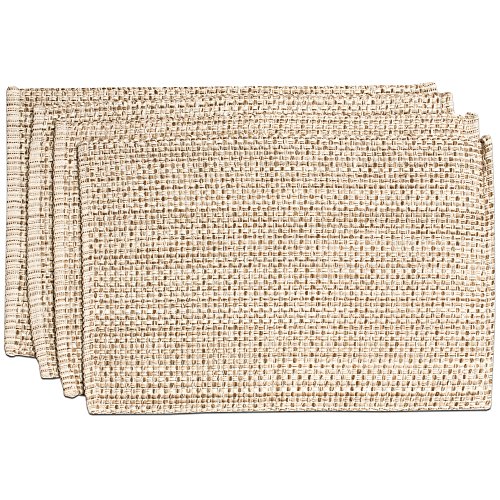


As an Amazon Associate we earn from qualifying purchases at no extra cost to you. Ratings are shown as listed on Amazon.
Allow roughly 24 inches of table edge per seated guest as a planning estimate. That provides room for a place setting while leaving some space between diners. Actual needs vary with chair width, plate size, and how many shared serving dishes sit on the table.
| Gathering and table | Suggested set | Typical placemat size | Planning note |
|---|---|---|---|
| 2–4 people; small square or round table | 4 placemats | 12 × 18 in | Check that the mats do not overlap at the center. |
| 4–6 people; everyday dining table | 6 placemats | 12 × 18 in | Measure the usable edge and account for end seats. |
| 6–8 people; extendable or long table | 8 placemats | 12 × 18 in | Keep a clear central strip for platters where possible. |
| 8–10 people; large table or buffet-style meal | 10–12 placemats | 12 × 18 to 14 × 20 in | Use the larger size only if place settings and serving dishes still fit. |
These are planning ranges, not universal fit guarantees. A 12-by-18-inch mat covers 216 square inches; a 14-by-20-inch mat covers 280 square inches, about 30% more. That extra coverage can help with broad plates or messy meals, but may leave too little room for shared bowls on a crowded table.
Choose the right set for your kind of gathering
- Frequent dinners with spills: Choose machine-washable cotton or a cotton blend with a reasonably dense weave. A set of eight is a useful balance for a household that sometimes hosts extra guests. Check whether the fabric can be washed warm or needs cold washing, and whether it can go in the dryer.
- Large, occasional celebrations: Prioritize matching quantity and color over unusually thick fabric. Sets of 10 or 12 can simplify coordination across an extended table. If you host only a few times a year, consider whether you have storage space and whether the set can be washed and stored without special treatment.
- Formal place settings: Look for a smooth, neatly hemmed fabric in a restrained color. Linen or a linen blend can give a more relaxed, textured appearance, but may wrinkle more readily and require gentler care. Read the care label rather than assuming all linen is dry-clean-only or all blends are dryer-safe.
- Low-maintenance hosting: Pick a color and fabric that tolerate repeated laundering, and avoid delicate embellishments that can snag or loosen. If easy cleanup matters more than a soft textile feel, compare cloth against wipe-clean alternatives—but confirm that the product is actually washable if the listing describes it that way.
Fabric, stains, and durability: what to inspect
Cotton is comfortable, widely available, and often machine washable. Its drawbacks are familiar: it can shrink, crease, and retain stains if spills sit for too long. Pre-washing can reveal shrinkage before a holiday meal, but follow the manufacturer’s instructions and wash similar colors together.
Linen and linen blends have a natural texture that works well for casual or polished tables. Pure linen often wrinkles, and its care requirements vary by construction and finish. Blends may be easier to maintain, but check the actual fiber content rather than relying on a “linen look” description.
Polyester and cotton-poly blends commonly resist creasing and can dry faster than heavier natural fabrics. They are not automatically stain-proof: oily sauces and strongly colored foods can still mark the surface. A treated finish may help with quick cleanup, but ask whether it remains effective after repeated washing and follow any limits on heat or detergent.
Across fabrics, hems and stitching are likely wear points. Inspect product details for finished edges, consistent seams, and care guidance. Repeated high-heat drying can contribute to shrinkage or fading in some textiles; abrasive scrubbing can roughen fibers; and leaving wet, stained mats piled together can make odors or marks harder to remove. Blot spills promptly, then launder according to the label.
Color coordination for a larger table
For gatherings with multiple serving dishes, placemats should support the table rather than compete with the food and centerpiece. A single neutral set—such as natural, charcoal, navy, or cream—usually pairs easily with different plates and seasonal decorations. If your dinnerware is already patterned, a solid mat is often the calmer choice; with plain plates, a subtle stripe or woven texture can add interest.
Before ordering a large set, compare the color with your table finish and dishes in daylight if possible. Online color names are not standardized, and separate production batches can sometimes vary. For a set that will be used together, buying the full quantity at once reduces the chance of noticeable shade differences.
A quick fit and value calculation
Suppose you have a 72-inch-long table and plan to seat three people along each long side. At about 24 inches of edge per guest, those six seats use roughly 144 inches of perimeter across both sides. A set of six may cover those positions, but it will not include end seats; choose eight if you often seat one guest at each end. Then place the mats on the table with your usual plates and serving bowls before deciding whether 12-by-18-inch coverage leaves enough room.
For value, compare cost per mat rather than set price alone: divide the general price by the number of mats. A 12-piece set priced at $48, for example, works out to $4 per mat; a 6-piece set at $30 is $5 per mat. These figures do not account for fabric quality, shipping, or how many mats you will actually use, so a larger set is only a better buy if its extras are useful.
Buying checklist
- Count your maximum regular guest list, including end seats.
- Measure table space and test the mat size against your plates and shared serving dishes.
- Check fiber content, finished dimensions, and whether the set includes matching pieces.
- Read washing and drying instructions, including any restrictions on heat or bleach.
- Choose a color that works with both your table and dinnerware, and order the full set together.
- Consider storage: larger sets take more drawer or shelf space, especially if you keep separate seasonal colors.
For most hosts, a washable set of eight, around 12 by 18 inches, in a versatile solid color is the safest starting point. Move up to 10 or 12 when your table and guest list justify it; choose linen or decorative details when appearance matters more than quick laundering. The best choice is the set that fits your actual table, survives the care routine you will follow, and gives every guest a comfortable place setting.

Write Your Review
No reviews yet. Be the first to share your experience!