

Key takeaways
- 10 guests × 16 ounces per person = 160 ounces.
- 160 ounces ÷ 128 ounces per gallon = 1.25 gallons.
- Add approximately 15% for fruit, ice displacement, and serving waste: 1.44 gallons.
The best sangria pitcher set for parties is a 2-quart glass pitcher with a leak-resistant lid and at least four matching glasses; choose a 1-gallon dispenser-style set for large groups, or a lightweight plastic set when outdoor safety matters more than presentation.
For most hosts, a glass pitcher set is the best balance of appearance, stain resistance, and refrigerator convenience. A set with a 64-ounce pitcher serves roughly eight 8-ounce pours, while a 1-gallon set is better for a crowd of 12 to 16. Before buying, compare usable capacity rather than the advertised size: fruit, ice, and headspace can reduce the amount of drink the pitcher holds by 15% to 25%.
Our top picks

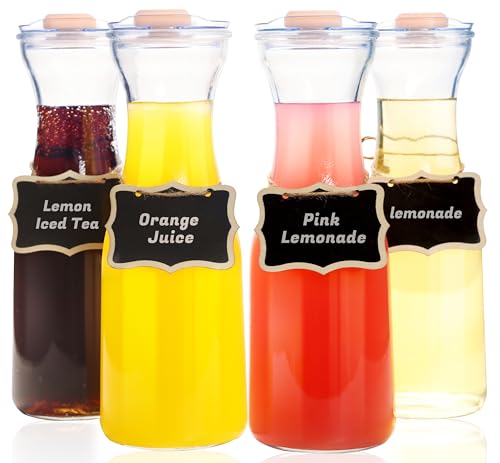

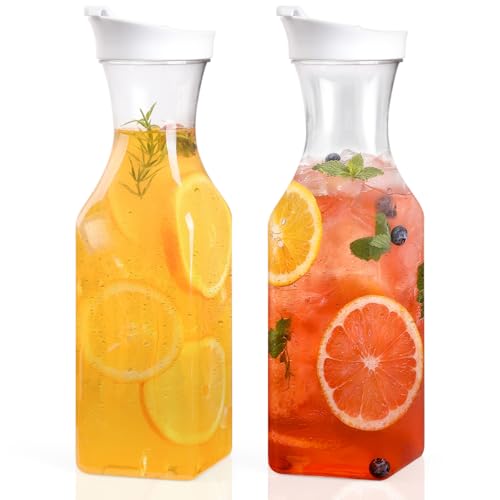
As an Amazon Associate we earn from qualifying purchases at no extra cost to you. Ratings are shown as listed on Amazon.
Best sangria pitcher sets by party situation
| Party situation | Best format | Useful capacity | Why it fits | Typical market range |
|---|---|---|---|---|
| Small dinner or balcony gathering | Glass pitcher with 4 glasses | 1.5–2 quarts | Fits most refrigerator doors and serves 6–8 | $25–$60 |
| Regular entertaining at home | Glass pitcher set with 6–8 glasses | 2–3 quarts | Good presentation and enough volume for a larger table | $40–$90 |
| Pool, patio, or picnic use | BPA-free plastic pitcher set | 1.5–2 quarts | Lightweight and less likely to shatter | $20–$50 |
| Large birthday or family gathering | One-gallon dispenser with spigot | 3–4 gallons per batch | Guests can serve themselves without lifting a full pitcher | $35–$100 |
| Limited storage space | Stackable pitcher-and-glass set | 1.5–2 quarts | Uses less cabinet space between occasions | $25–$70 |
Our top choices, compared by design
Best overall: a 2-quart glass pitcher set with a sealed lid
This is the most versatile choice for a typical home. Look for borosilicate glass or thick soda-lime glass, a wide opening for adding fruit, and a lid that either locks or uses a silicone gasket. A 2-quart capacity gives you approximately eight 8-ounce servings before allowing for ice and fruit.
The main advantage over an open carafe is preparation flexibility. You can mix sangria several hours ahead, cover it, and place it in the refrigerator without absorbing food odors. A properly fitted lid also reduces spills when the pitcher is carried from the kitchen to the dining table.
Glass does have drawbacks. A full 2-quart pitcher can weigh more than 5 pounds, and a narrow handle or slippery condensation can make pouring awkward. Choose a broad handle with room for at least three fingers, and check that the base is wider than the mouth for stability.
Best for outdoor parties: a BPA-free plastic pitcher set
Plastic is the practical choice for decks, picnics, and crowded tables where breakage is a concern. Tritan-style copolyester and other BPA-free plastics are generally clearer and more stain-resistant than inexpensive polypropylene, although all plastic can eventually retain color or aroma from red wine and citrus.
A good plastic set should weigh less than 2 pounds when empty, have a thick base, and include a lid that snaps securely rather than simply resting on top. Avoid very thin pitchers: they can flex while pouring, putting extra pressure on the lid seal and increasing the chance of drips.
Do not assume “dishwasher safe” means every part can go on the hottest cycle. Repeated high heat can warp lids and loosen silicone seals. Put plastic pitchers and lids on the upper rack when the manufacturer permits it, and hand-wash printed or decorative glasses.
Best for large groups: a glass or acrylic beverage dispenser
For 12 or more guests, a dispenser is usually more convenient than repeatedly lifting a full pitcher. A 1-gallon vessel holds 16 nominal 8-ounce servings, but a more realistic estimate is 12 to 14 servings after fruit, ice, and a little serving waste.
The spigot is the component that deserves the most scrutiny. Stainless steel or chrome-plated metal fittings are usually more durable than very light plastic taps. The spigot should sit high enough above the base to allow a glass underneath, while the internal pickup should not leave a large unusable layer of sangria behind.
Dispensers need a stable stand or a low serving table. Do not place a heavy glass gallon dispenser on a flimsy folding surface. For outdoor use, a clear acrylic dispenser provides a safer compromise, but it may scratch more easily than glass.
Best for presentation: a coordinated glass set with matching tumblers
If appearance matters, choose a set that includes four, six, or eight glasses rather than mixing whatever is already in the cupboard. Matching tumblers make portion planning easier and prevent the host from running out of suitable glassware halfway through the party.
Check the actual glass volume. Many sangria glasses hold 10 to 14 ounces, but guests rarely need them filled to the rim. A 12-ounce glass filled with 8 ounces of sangria leaves room for fruit and ice without splashing. Stemless glasses are easier to store and less likely to tip; stemmed glasses offer a more formal look but need more cabinet space.
Glass versus plastic: the decision that matters most
| Feature | Glass | Plastic |
|---|---|---|
| Typical empty pitcher weight | 2–4 pounds | 0.5–1.5 pounds |
| Stain and odor resistance | Excellent | Good to moderate, depending on plastic |
| Breakage risk | Medium to high | Low |
| Scratch resistance | High, except against abrasive cleaners | Moderate to low |
| Refrigerator use | Usually excellent, if temperature-safe | Usually good, if temperature-safe |
| Best setting | Dining room, kitchen, formal entertaining | Patio, poolside, picnic, children’s gatherings |
Glass is the better long-term choice when you make sangria often. Plastic is better when carrying weight and avoiding broken pieces are priorities. Neither material automatically makes a pitcher leak-proof; the lid design and the way the pitcher is transported matter more.
Capacity calculation: how much sangria do you actually need?
Start with the number of guests who will drink sangria, then allow one 8-ounce serving for the first hour and another 4 to 8 ounces for each additional hour. For example, for 10 guests at a three-hour gathering:
- 10 guests × 16 ounces per person = 160 ounces.
- 160 ounces ÷ 128 ounces per gallon = 1.25 gallons.
- Add approximately 15% for fruit, ice displacement, and serving waste: 1.44 gallons.
That amount is best split between two 2-quart pitchers or two smaller batches rather than placed in one very heavy container. Splitting the batch also lets you offer different fruit or sweetness levels and keeps one vessel chilled while the other is being served.
What to inspect before buying
- Lid seal: Turn the empty, closed pitcher sideways over a sink. A good lid should resist movement and should not rely on a loose cover alone.
- Pouring spout: A defined spout reduces drips, especially when fruit pieces approach the opening.
- Ice space: A wide mouth should allow large ice cubes and fruit slices to enter without forcing them through the spout.
- Handle clearance: Leave room for three or four fingers even when the pitcher is cold and wet.
- Cleaning access: Your hand or a bottle brush should reach the bottom. Narrow-neck vessels are harder to clean after fruit pulp dries.
- Storage: Check whether the glasses nest, whether the lid can be stored inside the pitcher, and whether the handle prevents shelf stacking.
- Temperature guidance: Confirm that the material is suitable for refrigeration and that sudden temperature changes are discouraged if the pitcher is glass.
Leak-resistant lids and ice compartments
A lid with a silicone gasket is useful when the sangria is prepared in advance. Some designs include a strainer or slotted insert that keeps fruit and ice away from the spout. This can reduce clogging, but it also reduces usable volume and makes cleaning more involved.
Separate ice space is helpful when you want to keep the drink cold without diluting it immediately. However, ice chambers occupy room that could otherwise hold sangria. For a short party, ordinary ice in the glass may be simpler. For a long event, freeze fruit pieces or use large cubes in a removable insert; large pieces melt more slowly than small cubes.
Ownership realities: cleaning and wear
The first parts that commonly wear are silicone gaskets, plastic hinges, printed markings, and dispenser spigots. Keep a replacement gasket if the manufacturer sells one, and inspect the seal when the lid begins to wobble or the pitcher starts dripping.
Rinse the pitcher as soon as serving ends. Citrus oils, wine pigments, and sugar become much harder to remove after drying. Wash with warm water and mild detergent, then use a soft bottle brush around the base and spout. Avoid abrasive powder on clear plastic, and do not seal the pitcher while it is still damp; trapped moisture can create an unpleasant odor.
Do not fill a pitcher to the rim. Leave at least 2 inches of headspace for fruit, ice, and movement. Carry a full glass pitcher with two hands when possible, and never use a chilled glass vessel for a suddenly hot liquid unless its instructions specifically allow that temperature change.
Final buying recommendation
For most parties, choose a 2-quart glass pitcher with a gasketed lid, a broad opening, a stable base, and four to six matching stemless glasses. Select BPA-free plastic when the event is outdoors or breakage is a major concern. For more than 12 guests, move to a dispenser or two smaller pitchers rather than one oversized vessel. The best sangria pitcher set for parties is the one that matches your serving volume, transport needs, cleaning habits, and available storage—not simply the set with the largest advertised capacity.


Write Your Review
No reviews yet. Be the first to share your experience!