

Key takeaways
- Choose a compact tri-fold garment bag for one suit or dress and frequent carry-on travel, a bi-fold carrier when wrinkle reduction matters more than minimum size, and a garment duffel when you need room for shoes and a complete weekend wardrobe. Prioritize reinforced stress points,…
The best garment bags for travel are lightweight, breathable suit bags with a reliable full-length zipper, a folding design that stays within carry-on limits, and enough structure to stop jackets and dresses from being crushed.
For most travelers, choose a 45–52-inch fabric garment bag made from 600D polyester or similarly dense woven nylon, weighing about 2–4 lb when empty. A compact tri-fold model is the most practical choice for flights; a longer, lightly structured bag is better for hanging storage and driving; and a wheeled garment case is worth considering only when you regularly carry several outfits.
Our top picks

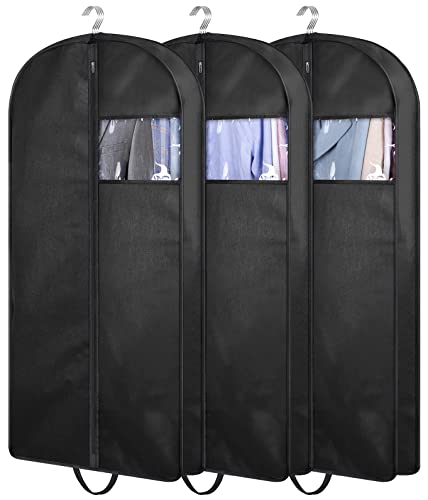

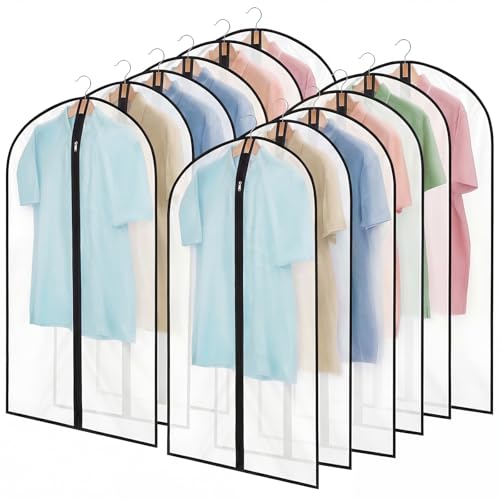
As an Amazon Associate we earn from qualifying purchases at no extra cost to you. Ratings are shown as listed on Amazon.
Best garment bags by travel situation
| Situation | Best bag type | Useful target specifications | Why it fits |
|---|---|---|---|
| Occasional wedding or business trip | Tri-fold soft garment bag | 45–52 in. unfolded; 22–24 in. folded; 2–3 lb | Protects one suit or dress without taking over a suitcase |
| Frequent flyer with one carry-on | Carry-on garment bag with trolley sleeve | 22 x 14 x 9 in. or smaller when folded; 600D fabric; 3–5 lb | Slides over a suitcase handle and is easier to manage through airports |
| Two suits or several formal outfits | Expandable garment duffel | 3–6 garments; 45–55 L total capacity; reinforced handles | Combines hanging storage with space for shoes and accessories |
| Driving to events or storing clothing at home | Long bi-fold garment carrier | 48–60 in. length; 800D–1680D fabric; 3–6 lb | Fewer folds mean less pressure on suit shoulders and lapels |
| Several formal outfits and heavy accessories | Wheeled garment case | Two to four suits; 8–12 lb empty; 20–24 in. case height | Moves weight off your shoulder, though it uses more storage space |
What matters most when comparing garment bags
Fabric durability
Fabric weight is not the only durability measure, but it is a useful starting point. Thin 210D–420D polyester keeps an empty bag light and usually costs less, yet its corners and handle attachment points are more vulnerable to abrasion. A 600D polyester or nylon shell is a better compromise for regular travel. Heavy 1000D–1680D fabric is tougher, but the extra weight is worthwhile mainly for checked travel, frequent commuting, or a bag that will be used for years.
Inspect the details that wear first: the zipper running around the perimeter, the fold creases, shoulder-hook stitching, and the bottom corners. Box stitching or bar tacks at handle anchors are preferable to a single straight seam. A water-resistant coating helps with rain and airport spills, but it does not make the bag waterproof; seams and zippers can still let moisture through.
Folding size and carry-on practicality
Many garment bags advertise their unfolded length, which may be 45–60 inches, but airline usability depends on the folded dimensions. Measure the bag after it is packed, not when empty. A folded size around 22 x 14 x 9 inches is a useful target for a standard carry-on allowance, but airline limits vary and some carriers use smaller personal-item dimensions.
A tri-fold bag saves space, but each additional fold creates another crease line. A bi-fold bag is gentler on tailored clothing and often fits naturally across the width of a suitcase, while a tri-fold is more compact for overhead storage. If you fly with a strict budget airline, confirm the carrier’s current size and weight rules before relying on a garment bag as your only cabin item.
Wrinkle protection for suits and dresses
A garment bag reduces wrinkles; it cannot eliminate them. The strongest wrinkle protection comes from minimizing compression and supporting the garment at the shoulders. Look for a broad hanger panel, a sturdy hook, a center strap or buckle, and enough depth that fabric is not forced flat against a narrow zipper.
Interior compression straps should secure clothing without creating a horizontal ridge across a jacket. A breathable lining is preferable to sealed plastic for longer storage. For dresses, check the bag’s usable length and the position of its fold: a long evening dress folded through the bodice can crease more visibly than a knee-length dress.
Head-to-head: soft tri-fold versus garment duffel
Soft tri-fold garment bag
The tri-fold is the better choice when your priority is a formal outfit arriving presentable in a carry-on. It usually holds one suit, one dress, or two lighter outfits, plus a shirt and accessories. Its slim profile is easier to place on top of other luggage, and its structure helps keep hangers aligned.
Its limitation is capacity. Shoes, toiletries, and bulky jackets quickly make the folded package thick. Repeated folding can also stress the same fabric creases, particularly on inexpensive models with thin lining.
Garment duffel
A garment duffel is more versatile for a weekend trip because the lower compartment can hold shoes, underwear, and casual clothing. It is the stronger choice when you want one bag rather than a garment carrier plus a suitcase. Many models accept two or three hangers and unfold into a longer hanging compartment.
The trade-off is wrinkle risk. When the duffel is filled to its quoted capacity, garments can be squeezed against shoes or rolled items. Its soft sides also provide less protection if another bag is placed on top. Choose one with a separate shoe compartment, a rigid base, and a genuinely wide hanging section rather than judging capacity by the external volume alone.
Decision matrix: which features should you pay for?
| Your priority | Spend more on | Do not overpay for | Recommended configuration |
|---|---|---|---|
| Lowest reasonable cost | Strong zipper and reinforced handles | Leather trim or built-in electronics | 420D–600D polyester, bi-fold, one-outfit capacity |
| Frequent flying | Carry-on dimensions, trolley sleeve, abrasion-resistant corners | Very large shoe compartments | 600D–1000D shell, 2–4 lb, tri-fold or compact duffel |
| Maximum wrinkle control | Shoulder support, hanger restraint, shallow fold design | Extra pockets that reduce interior space | Bi-fold, broad hanger panel, breathable lining |
| Long-term storage | Breathable fabric, smooth interior, full-length hanging room | Ultra-compact folding | Long carrier, 600D or heavier fabric, no tight compression |
| Several outfits | Weight-bearing hardware and a rigid base | Minimalist design | Expandable duffel or wheeled case with 45–55 L capacity |
How to pack a garment bag without adding creases
- Steam or press garments before packing. Packing a crease into fabric makes it harder to remove at the destination.
- Use one hanger per garment where possible. Keep suit jackets on shaped hangers and fasten the top button or interior closure.
- Place jackets face-to-face. If carrying two jackets, put a thin shirt or tissue layer between them to reduce friction.
- Fill empty spaces lightly. Fold soft items such as a shirt or scarf into gaps, but do not use shoes or toiletry bottles as structural supports.
- Close compression straps with moderate tension. They should stop shifting, not flatten the clothing.
- Fold along the bag’s intended lines. Avoid bending sharply across lapels, waistbands, or embellished areas.
- Unpack promptly. Hang everything as soon as you arrive and use a bathroom steam-filled by a hot shower only if the fabric’s care label permits it; a proper garment steamer is safer for many materials.
Ownership realities: what wears out and how to maintain it
The zipper is usually the first functional failure. Do not overstuff the bag or pull a zipper around a bulging corner. If the slider begins separating the teeth, reduce the load rather than forcing it. Wipe dirt from the zipper track and lubricate it only with a product suitable for the manufacturer’s material.
Spot-clean the exterior with mild soap and cool water. Avoid machine washing unless the care label specifically allows it, because washing can damage coatings, foam structure, and internal boards. Dry the bag completely before storage, leave the zipper partly open for ventilation, and store it hanging or loosely folded rather than compressed under heavy luggage.
For occasional use, a basic 420D–600D soft bag commonly falls in the general market range of about $25–$70. More structured carry-on bags and expandable garment duffels often range from $60–$160, while wheeled cases frequently cost $150–$400 or more. A useful cost-per-use check is simple: a $90 bag used for six trips a year over three years costs about $5 per trip before considering repairs. That can justify better zippers and stitching if you travel regularly, but not necessarily a heavy wheeled case for one annual event.
Bottom line
Choose a compact tri-fold garment bag for one suit or dress and frequent carry-on travel, a bi-fold carrier when wrinkle reduction matters more than minimum size, and a garment duffel when you need room for shoes and a complete weekend wardrobe. Prioritize reinforced stress points, a usable folded measurement, and hanger support over decorative materials or an inflated capacity claim. Those details determine whether your clothes arrive protected—or merely enclosed.

Write Your Review
No reviews yet. Be the first to share your experience!