

Key takeaways
- Signal loss. Concrete, block walls and floors can block Wi-Fi and Zigbee signals, so a sensor near the sump pit may not reach the router upstairs.
- Humidity and condensation. Damp air and cold pipes can create moisture that is not a leak. A sensor with probes that touch the floor may be triggered by a thin film of condensation in some conditions.
- Cold temperatures. An unheated basement can drop below freezing, which affects batteries and can burst pipes. Freeze alerts help.
- Nobody nearby. A siren only helps if someone is home. A phone notification, and ideally a second person on the alert list, is what protects you while you are away.
For most basements, a Moen Flo leak detector is the pick if you want fast alerts or plan to add automatic shut-off, a GoveeLife sensor set is the budget route for covering many spots, YoLink suits large or concrete-heavy basements where Wi-Fi range is poor, and Aqara or SmartThings sensors fit homes already built around those platforms. A basement is the hardest place in a house for a leak sensor, because it is where water collects, where signals struggle through masonry, and where nobody is around to hear a local alarm. This guide explains how the main options differ and how to place them.
Our top picks


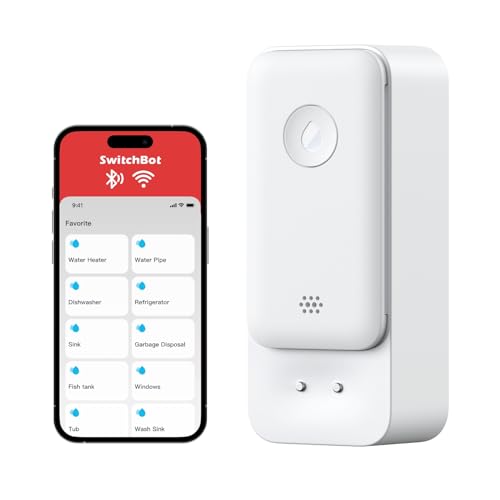
As an Amazon Associate we earn from qualifying purchases at no extra cost to you.
Smart Water Leak Sensors at a Glance
| Option | Best for | Key points reported by reviewers or makers | Limits |
|---|---|---|---|
| Flo by Moen Smart Water Leak Detector | Reliable alerts, pairing with an automatic shut-off valve | Reviewed ranks it best overall for quick alerts and an intuitive app; reviewers mention a siren, light and sensing cable | Does not work with Alexa, Google Assistant or Siri per Reviewed; some buyers report pairing difficulty |
| GoveeLife Water Leak Detector 2 | Budget coverage of many spots | Roundups list a 100 dB alarm, hub range of about 100 feet and battery life of up to 5 years | Seen as a step below Flo for the most critical spot |
| Ring Flood and Freeze Sensor | Homes already using Ring | Includes freeze detection, useful for unheated basements | One review measured the slowest alert times of its group; setup requirements differ by version |
| Aqara Water Leak Sensor and the newer P2 | Aqara, Apple Home or Home Assistant users | Small and discreet; the original is Zigbee and needs an Aqara hub, the P2 uses Thread and Matter | Quiet locally; relies mostly on phone alerts |
| Samsung SmartThings Water Leak Sensor | SmartThings households | Reviewers report alerts in roughly half a minute | Best inside the SmartThings ecosystem |
| YoLink LoRa-based sensors | Large basements, poor Wi-Fi coverage | Long-range radio designed to reach through walls and floors, per reviewers | Needs the maker’s hub |
| First Alert L1 | Large finished basements | Listed in one roundup for big spaces | Less detail available from independent reviewers |
Information here comes from outlets such as Reviewed, Smart Home Explorer and The Basement Guide, which report on the makers’ stated features. Models and bundles are revised often, so the exact version on a shelf may differ from the one reviewed.
What Makes a Basement Different
Most leak sensors are designed for a kitchen or a bathroom, where a sensor sits on a dry floor near a sink. A basement adds several problems.
- Signal loss. Concrete, block walls and floors can block Wi-Fi and Zigbee signals, so a sensor near the sump pit may not reach the router upstairs.
- Humidity and condensation. Damp air and cold pipes can create moisture that is not a leak. A sensor with probes that touch the floor may be triggered by a thin film of condensation in some conditions.
- Cold temperatures. An unheated basement can drop below freezing, which affects batteries and can burst pipes. Freeze alerts help.
- Nobody nearby. A siren only helps if someone is home. A phone notification, and ideally a second person on the alert list, is what protects you while you are away.
Flo by Moen: Fast Alerts and a Path to Shut-Off
Reviewed puts the Flo by Moen Smart Water Leak Detector at the top of its list, crediting fast alerts, simple setup and a clear app. Another guide highlights that it can pair with a Moen Flo valve to close the main water line automatically, which is the biggest practical advantage of choosing it. Detecting a leak is useful; stopping the water is better.
A comparison site reports that the Moen unit adds a siren, an indicator light and a sensing cable, which makes it suited to a basement where you want a local alarm as well as a phone alert. The sensing cable can be routed around a water heater or along a wall where a leak could travel.
Limitations are worth knowing. Reviewed notes that it does not work with Alexa, Google Assistant or Siri. Some buyer comments mention app pairing trouble and batteries that arrive depleted, so plan to test pairing the day it arrives and keep the return window in mind. Moen offers a free tier of its service and a paid plan with an extended warranty and support, so read the plan terms before assuming every feature is included.
GoveeLife: Budget Coverage for Many Locations
A topfiveme guide chooses the GoveeLife Water Leak Detector 2 for most households, citing the balance of smart features, multi-location coverage and low cost per sensor. Roundups list a loud alarm, a hub with about 100 feet of range, and battery life of up to five years.
The appeal in a basement is quantity. You can place one sensor beside the water heater, one near the washing machine, one by the sump pump, one under the utility sink, and one at the lowest corner for a reasonable total outlay. That coverage is often more valuable than a single premium device.
The downside, as one guide frames it, is that Govee sits a step below Flo for your most critical spot. If a leak there would be costly, consider pairing a Govee network for general coverage with a more established device at the water heater or main line.
Ring, Aqara and SmartThings: Ecosystem Choices
The Ring Flood and Freeze Sensor fits a home that already uses Ring and Alexa. Freeze detection is a strong feature for an unheated basement. One review measured alert times of 30 to 45 seconds, the slowest in its comparison, and reviews disagree about whether it needs a base station or works without a hub, so confirm the requirements of the version on sale before buying.
Aqara sensors are small and discreet, and reviewers recommend them to people running Aqara, Apple Home or Home Assistant. The original sensor is Zigbee and requires an Aqara hub, while the newer P2 uses Thread and Matter. A comparison with the Moen detector notes that Aqara sensors are quieter and rely mostly on phone alerts, which is fine when you are away but less useful if the family is asleep upstairs.
The Samsung SmartThings Water Leak Sensor is the natural match for existing SmartThings hubs. A guide reports detection in roughly 25 to 35 seconds. If you already own a hub and want leak events to trigger lights, siren or a valve through automations, it is a sensible fit.
YoLink and First Alert: For Big or Hard-to-Reach Basements
If the basement is large, finished, or built with thick concrete, signal range may matter more than price. Topfiveme recommends a YoLink LoRa-based kit for basements and big properties where wireless range is a concern, and Smart Home Explorer rates YoLink highly. LoRa is a long-range, low-power radio, and the idea is that a sensor in a far corner can still reach the hub.
Smart Home Explorer also lists the First Alert L1 for large finished basements. Independent detail on it is thinner than for the other products, so read the maker’s documentation for battery type, alert methods and compatibility before relying on it.
Budget Tiers
- Budget: Govee and Aqara-type sensors. These let you place several devices in different spots. Expect the simplest alerts and a reliance on phone notifications.
- Mid-range: Moen, Ring, SmartThings and YoLink sensors. You pay for stronger app support, range or ecosystem integration.
- Premium: A sensor paired with an automatic shut-off valve or a whole-home water monitor. This is a larger investment, and an installer or plumber is often needed for the valve. Always follow local plumbing rules.
Pick This If You Want That
| Pick | If you | Reason |
|---|---|---|
| Flo by Moen | want the best-reviewed alerts or later plan to add automatic shut-off | Strong app, siren and cable, and pairing with a Moen valve |
| GoveeLife | want many sensors for a modest total outlay | Multi-location coverage and long battery life |
| Ring Flood and Freeze | already own Ring devices and have a cold basement | Freeze detection and ecosystem fit |
| Aqara | use Apple Home or Home Assistant | Small sensors and wide platform support |
| SmartThings | already own a SmartThings hub | Automations without extra hardware |
| YoLink | have a large or concrete basement | Long-range radio for weak signal areas |
Placement and Care Notes
- Place sensors flat on the floor at the lowest point near the water heater, washer, sump pit, floor drain, utility sink and any wall with a history of seepage.
- Test each sensor by touching its probes with a damp cloth, then confirm the phone alert arrives from the farthest corner of the basement.
- Replace batteries on the maker’s schedule and label the date on the device. Cold areas can shorten battery life.
- Add at least two people to the alert list so a notification is not missed.
A sensor reports water; it does not fix the cause. If it triggers repeatedly, have a plumber or a basement waterproofing professional look at the source. Do not enter a flooded basement if water may be near outlets or appliances, and call an electrician or your utility if electrical equipment is wet.
Alternatives to Consider
- Sump pump alarm and water-level alert: A dedicated alarm for a sump pit catches pump failure before the floor floods.
- Whole-home water monitors with automatic shut-off: These monitor flow at the main line and shut water off if usage looks abnormal. They are more complete, but costlier and often installed by a plumber.
Frequently Asked Questions
Where should I put a leak sensor in a basement?
Put them on the floor at the lowest points and next to anything that holds or carries water, such as the water heater, washer, sump pit and utility sink. If you only have two sensors, use one at the water heater and one at the sump pit. Add more along walls that have seeped before.
Will a smart leak sensor work if my Wi-Fi is weak down there?
It may not, which is why range matters. Sensors that talk to a hub, such as YoLink, Aqara or SmartThings types, can reach farther than ones that depend on direct Wi-Fi. Moving the hub closer to the basement, or adding a mesh node, can also help.
Can a sensor shut off my water automatically?
Not by itself. Moen describes pairing its detector with a Moen Flo valve that can close the main line, and other platforms can connect sensors to smart valves through automations. Valve installation may require a plumber, so follow local codes.
How long do batteries last?
Makers and roundups give figures such as up to five years for some Govee models, but real life depends on temperature, alert frequency and signal strength. Cold basements can shorten battery life, so keep a replacement date on a calendar.
Do I need a subscription?
Many sensors work without one. Moen offers a free tier and a paid plan with extended warranty and support, and other brands may charge for cloud history or video features. Read the plan description before purchase.
Why did my sensor trigger when nothing was leaking?
Condensation, a damp floor, or a sensor sitting in a spot that stays wet can cause false alarms. Dry the sensor and its contacts, move it to a position that stays dry in normal conditions, and consider a unit with a sensing cable for pipe runs.








Write Your Review
No reviews yet. Be the first to share your experience!